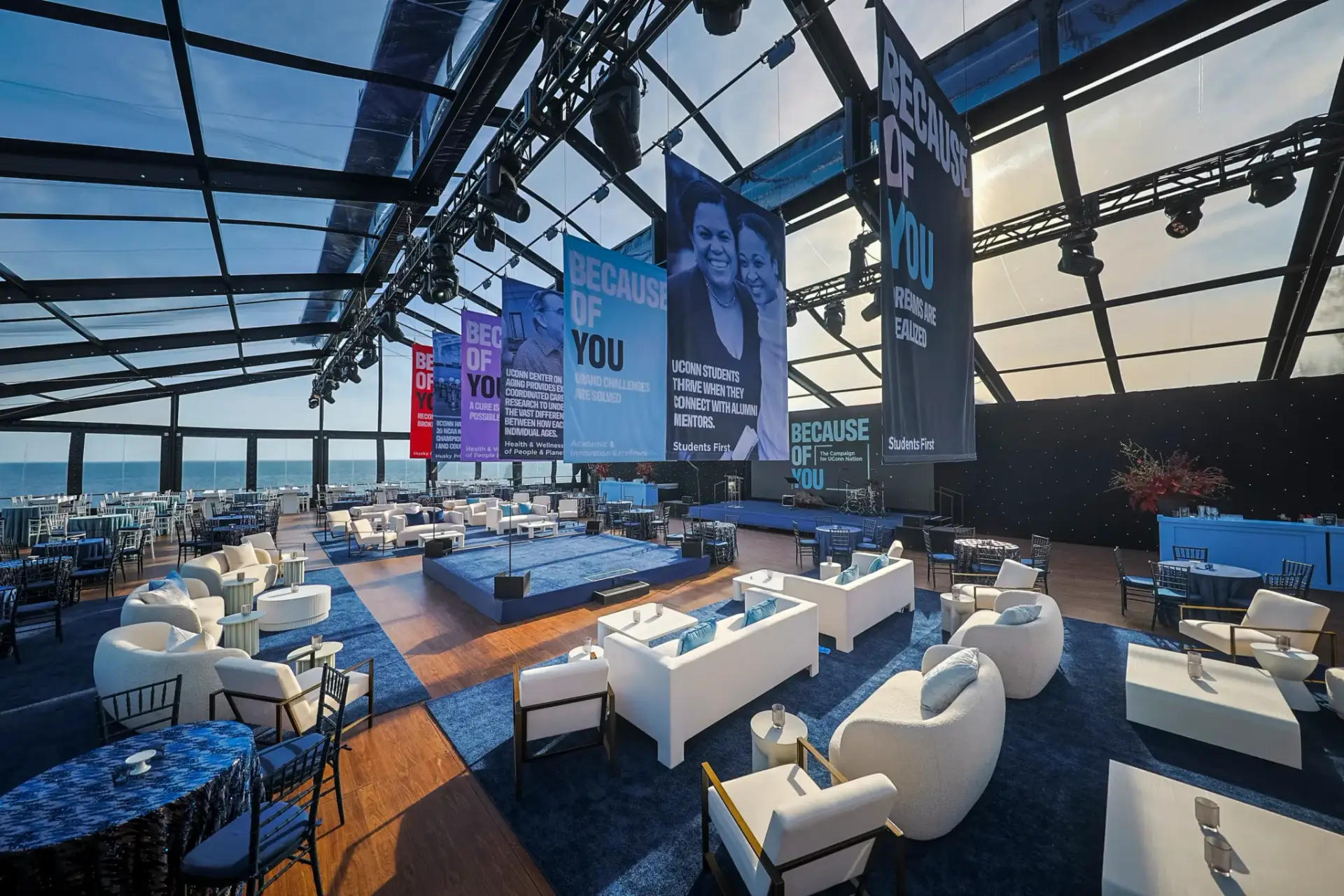
For high-end outdoor events, choose a heavy-duty vinyl clear top or frame tent to maximize space on hard, unyielding surfaces like stone or asphalt. For classic, romantic weddings hosted on expansive lawns, select premium wooden-pole sailcloth tents to achieve a soaring, light-filled aesthetic. These structural choices dictate your entire event design, from layout potential to climate control options. While lightweight, consumer-grade pop-ups suit casual backyard barbecues, professional-grade engineered structures are required to withstand unpredictable coastal winds and heavy rain. This comprehensive guide outlines the critical variables of fabric chemistry, spatial calculations, and engineering standards. Armed with these professional insights, you will make an informed, confident investment for your next gathering. By analyzing wind ratings, guest comfort benchmarks, and ground topography, you can easily transform any open-air setting into a secure, elegant, and weather-proof venue.
Key Takeaways
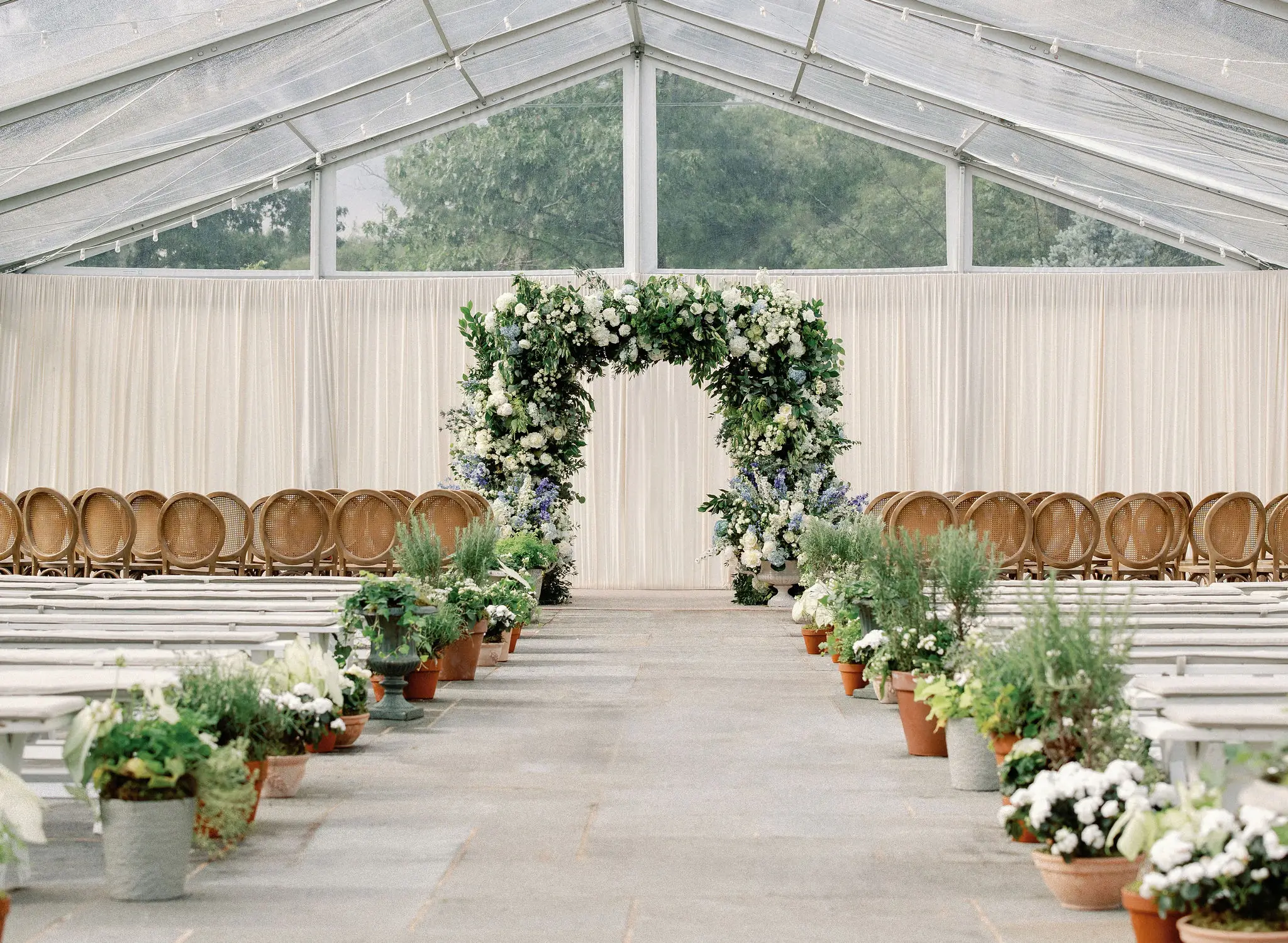
- Prioritize Engineered Structures: Select tents wind-rated for at least 90 miles per hour if hosting events in exposed or coastal areas.
- Match Fabric to Event Goals: Opt for blackout vinyl to block heat and harsh sunlight, or choose translucent sailcloth to maximize natural daytime glow.
- Apply the 20 Square Foot Rule: Allocate 20 square feet per guest to comfortably accommodate seated dining, dance floors, bars, and stages.
- Evaluate the Ground Surface First: Ensure your site can support heavy stakes, or plan for an engineered concrete block ballasting system on hardscapes.
- Plan for Climate Control Early: Integrate commercial HVAC systems or indirect-fired heaters to maintain guest comfort in extreme temperatures.
Analyzing Your Event Site and Ground Conditions
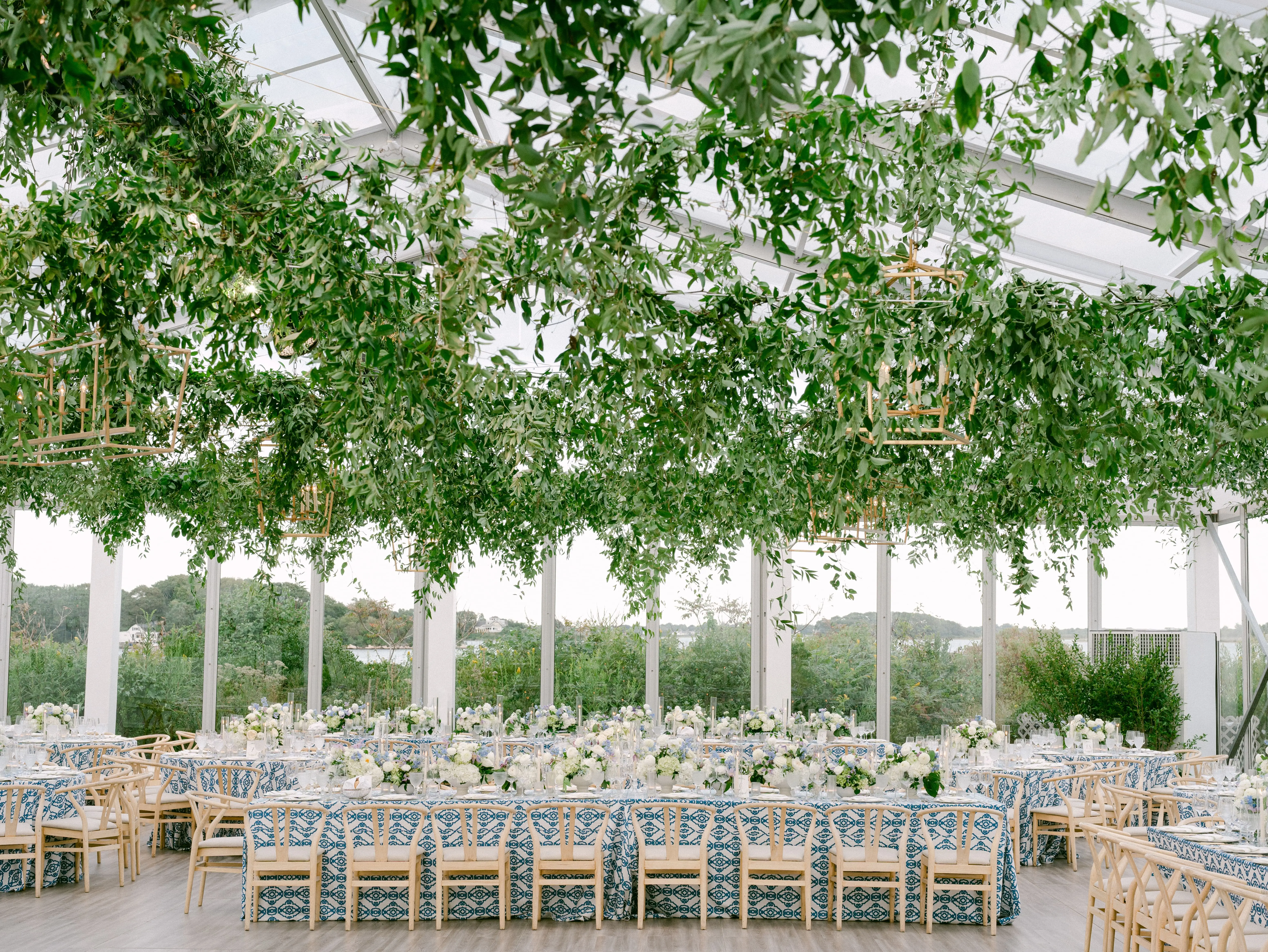
Selecting the ideal venue layout requires a detailed assessment of the physical terrain. Before finalizing any rental contract, you must inspect the ground surface to determine which anchoring method is both safe and permitted. Lawns, meadows, and compacted dirt allow for traditional staking. This method involves driving steel stakes deep into the ground to secure the tent lines. Staking provides maximum resistance against uplift forces caused by sudden wind gusts.
For paved surfaces, concrete plazas, or historic stone patios, staking is rarely an option due to structural preservation. In these environments, professionals utilize heavy ballasting systems. These systems rely on thousands of pounds of concrete weights concealed under decorative covers. According to the structural safety standards maintained by the American Rental Association, ballasting requires precise calculations to offset wind uplift. Improperly ballasted tents pose a severe safety hazard during unexpected storms.
Sloped or uneven terrain introduces another layer of complexity. Erecting a stable structure on a significant incline requires a leveled flooring system underneath the tent frame. Our crew routinely installs custom subfloors supported by engineered scaffolding to level out rolling lawns. This process creates a flat, safe foundation for guest tables, heavy dance floors, and bar installations. Always locate underground utilities by calling local warning services before driving stakes into any yard.
Selecting High-Performance Outdoor Party Tents by Fabric
The material of your tent canopy directly impacts both the interior atmosphere and the structural integrity of the venue. Commercial tent fabrics fall into three primary categories: laminated PVC vinyl, coated polyester, and genuine sailcloth. Laminated PVC vinyl is the industry standard for traditional frame structures and clear top pavilions. This material is naturally waterproof, highly durable, and treated with fire-retardant chemicals to meet local building codes.
If you desire an elevated, airy aesthetic with natural light, choose hand-crafted Sperry sailcloth tents. Constructed from genuine sailcloth, these canopies feature beautiful wooden support poles and unique organic textures. The lightweight fabric breathes during hot summer afternoons while offering reliable protection against heavy downpours. The translucent quality of the sailcloth creates a warm, candle-lit glow during evening receptions, transforming your event space into a work of art.
For daytime events during high summer, blackout vinyl is highly recommended. Standard white vinyl tents can still transmit significant solar heat, creating a greenhouse effect inside. Blackout fabrics utilize an opaque inner layer that blocks 100% of sunlight. This keeps the interior cooler and allows your commercial cooling units to run efficiently. To ensure guest safety, verify that your rental provider uses fabrics certified under the National Fire Protection Association code NFPA 701, which regulates flame propagation for textile membranes.
Calculating the Ideal Footprint for Outdoor Party Tents
To determine the correct size for your event, you must look beyond the total guest count. While a basic seating chart gives you a starting point, you must also account for band stages, buffet lines, bar setups, and dance floors. Ignoring these spatial elements results in a cramped, uncomfortable environment where guests struggle to move freely.
When planning, use the standard benchmark of 20 square feet per person for a seated dinner. If you are hosting a cocktail-style reception with minimal seating, you can reduce this to 10 to 12 square feet per person. For a detailed breakdown of guest capacity calculations, refer to our comprehensive guide on calculating tent size based on guest count. This proven formula prevents layout design errors before the installation crew arrives on site.
- Calculate the Base Seating Area: Multiply your guest count by the square footage required for your seating style.
- Add the Dance Floor Square Footage: Allocate roughly 3 to 4 square feet of dance floor per dancing guest.
- Incorporate Service Stations: Add 100 square feet for each bar and 150 square feet for each double-sided buffet line.
- Account for Entertainment Space: Allocate 100 to 200 square feet for a standard five-piece band or DJ booth.
- Build in Buffer Space: Add 10% to 15% to the total square footage for comfortable walkways and emergency exits.
Comparing Structural Configurations
Understanding the differences between tent styles helps you select the right configuration for your venue and aesthetic goals. Traditional pole tents rely on tension and tall center poles to hold up the heavy fabric. While beautiful, these tents must be staked into grass and have interior poles that can block sightlines. If you are comparing these options, read our detailed guide comparing pole tents and frame tents to understand their mechanical differences.
Frame tents utilize a self-supporting metal skeleton made of aluminum or steel. This design eliminates the need for center support poles, leaving you with an open, unobstructed interior. Frame tents are highly versatile and can be installed on almost any surface, including concrete driveways and wooden decks. Clear span structures represent the pinnacle of frame technology, offering massive open spaces and high wind resistance for large corporate galas.
| Tent Category | Primary Anchoring Method | Best Suited For | Key Structural Benefit |
|---|---|---|---|
| Sperry Sailcloth Tents | Staking (Required) | Elegant Weddings & Coastal Receptions | Breathable, translucent fabric with wooden poles |
| Frame Tents | Staking or Concrete Weights | Patios, Driveways, & Small Yards | No interior center poles; maximum layout flexibility |
| Clear Span Structures | Staking or Heavy Ballasting | Large Galas & Long-Term Installations | Engineered wind ratings and unobstructed space |
| Traditional Pole Tents | Staking (Required) | Large Grass Lawn Events | High soaring ceilings and dramatic peaks |
Weather Mitigation: Climate Control and Wind Engineering
Unpredictable weather is the greatest risk to any outdoor event. Professional-grade tents are engineered to withstand specific wind loads, keeping your guests safe from sudden storms. According to historical weather data from the National Oceanic and Atmospheric Administration, microclimates in coastal regions can produce unexpected high winds. For these locations, we recommend using engineered clear span structures, which are rated to handle sustained winds up to 90 miles per hour.
Temperature control is also critical for keeping your guests comfortable throughout the day and night. During mid-summer events, we can install commercial air conditioning systems with ductwork hidden along the tent perimeter. If you are hosting a late autumn or winter gathering, you will need indirect-fired heaters. These units sit safely outside the tent and push clean, warm air through unobtrusive vents, keeping the interior cozy without any noise or fumes.
To further protect your space from wind and rain, consider adding solid vinyl sidewalls with clear windows. These panels slide easily along track systems, allowing you to quickly open or close the tent as the weather changes. Be sure to include heavy-duty gutters at the tent entryways to channel rainwater away from guest walkways and carpeted areas.
Professional Event Tent Rental Costs and Value Factors
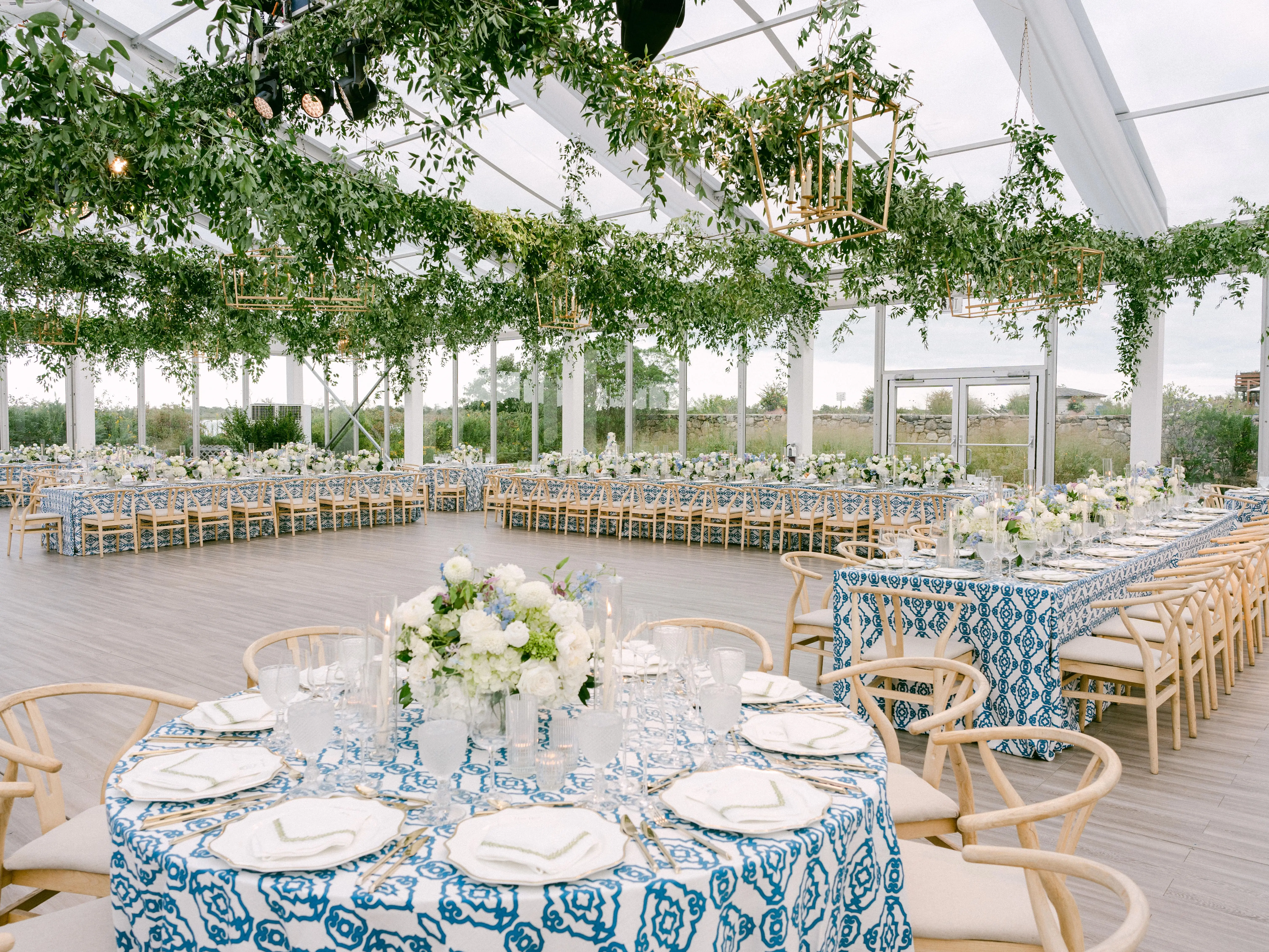
The cost of renting a professional tent goes far beyond the fabric canopy itself. A complete installation includes delivery logistics, site preparation, safety anchoring, permitting, and cleanup. For a premium, engineered structure, price ranges vary widely depending on the size, style, and customization required for the venue:
- Small to Medium Frame Tents (30 to 50 guests): Professional packages run between $1,500 and $4,500. This typically includes basic lighting and solid sidewalls.
- Premium Sailcloth or Clear Top Tents (100 to 150 guests): Expect investments between $6,000 and $15,000. This range often includes custom lighting and leveled subflooring.
- Large Engineered Clear Span Structures (200+ guests): Professional installations range from $18,000 to $50,000+. This price reflects heavy ballasting, climate control, glass entry doors, and custom wood flooring.
When comparing quotes, always verify that your vendor carries comprehensive liability insurance and provides on-site technicians during the event. Skimping on professional installation can lead to structural failures, permit violations, or last-minute weather disasters. Investing in an experienced, full-service rental company ensures your event is safe, beautiful, and executed with precision.
FAQ
What is the best tent for an outdoor party on concrete?
A frame tent or clear span structure is the best choice for concrete surfaces. These styles do not require center support poles and can be safely secured using heavy concrete weights rather than stakes. This setup protects the ground while ensuring the structure remains stable in high winds.
How do I know what size tent I need for 150 guests?
For a fully seated dinner with a dance floor and bar, you will need approximately 3,000 square feet of space. This translates to a 40×80 foot or a 60×60 foot tent. If you are hosting a casual standing cocktail reception instead, a smaller 40×40 foot tent will work beautifully.
Can outdoor party tents stay up in heavy rain and storms?
Yes, professional-grade engineered tents are designed to withstand heavy rain and high winds when properly anchored. However, lightweight pop-up tents should be taken down during storms to prevent damage. Always choose a tent with certified wind load ratings if your venue is in an exposed coastal area.
Do I need a local permit to put up a party tent?
Permit requirements vary depending on your local municipality, the size of the tent, and whether the event is public or private. Typically, tents larger than 400 square feet require a temporary structure permit and a quick inspection from the local fire marshal. A professional rental company will help you navigate this permitting process.
How do you keep an outdoor tent cool in the summer heat?
To keep your tent cool, combine solid side panels with commercial portable air conditioners. Using blackout vinyl fabric also helps by blocking direct solar heat. For milder days, installing quiet ceiling fans and leaving the sidewalls open will keep a fresh breeze moving through the space.
Can you install a party tent on a sloped yard?
Yes, you can install a tent on a sloped yard by building a leveled scaffolding platform underneath it. This engineered wood subfloor creates a perfectly flat surface for your tables, dance floor, and guests. While this step adds to your overall rental cost, it ensures your venue is safe and structurally sound.