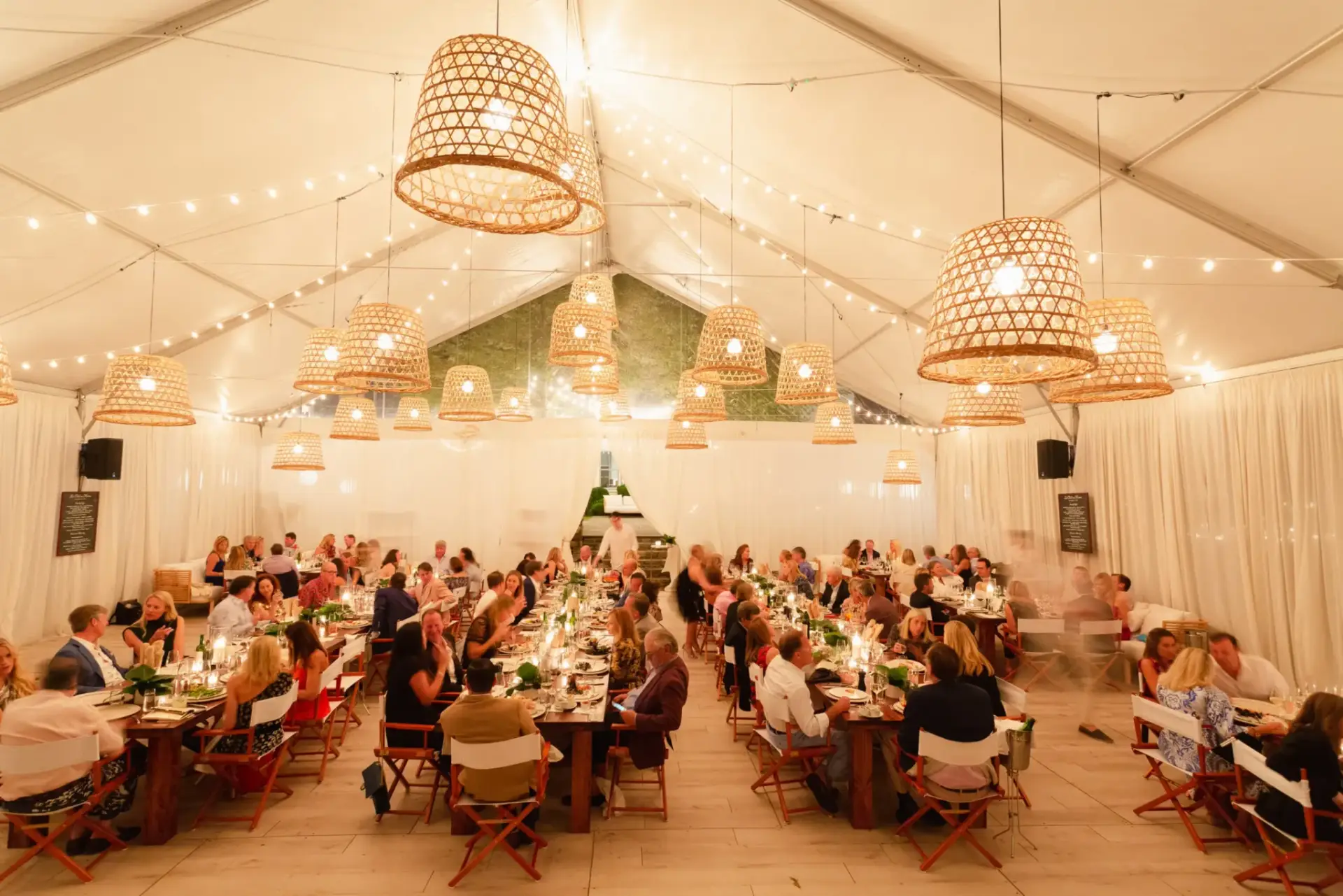
To design an extraordinary tented event in 2026, prioritize a cohesive three-tier decorating strategy: anchor the space with custom structural flooring, transform the overhead canopy using strategic fabric draping integrated with immersive lighting, and frame the perimeter with natural floral installations. For high-end weddings and formal galas, choose a sailcloth or clear-top frame tent styled with suspended floral chandeliers, custom-wrapped center poles, and full-hardwood flooring. For casual, high-energy celebrations, focus on vibrant, open-air setups featuring interactive light installations, bold balloon garlands, and defined lounge zones. This systematic approach ensures that your temporary structure sheds its utilitarian roots and transitions into an immersive, bespoke venue. By addressing the floor, the canopy ceiling, and the lighting in unison, you create a balanced visual landscape that captivates guests from the moment they step through the entrance.
Key Takeaways for Designing Extraordinary Tents
- Flooring is the ultimate design foundation: Installing leveled flooring or custom dance floors completely eliminates the outdoor feel, making the tent feel like a permanent, luxury ballroom.
- Layered lighting creates visual depth: Combine functional task lighting with atmospheric accents like fairy lights, pin-spots, and custom chandeliers to shift the mood seamlessly from afternoon elegance to evening energy.
- Premium draping hides structural utility: Soften metal frames or accent wooden support poles with high-quality fabrics like chiffon, voile, or heavy satin arranged in box pleats or radial swags.
- Vertical scale balances high ceilings: Capitalize on the vertical space of high-peak tents by hanging suspended floral clouds and oversized light fixtures to prevent guest tables from feeling dwarfed.
- Proactive weather engineering is essential: Always integrate climate control systems and moisture-barrier subfloors early in the planning process to protect delicate decor.
The Foundation of Elevated Design: Tent Flooring and Layouts
Luxury tent decor begins from the ground up because the floor dictates how furniture sits, how guests move, and how stable the entire design feels. Raw grass or uneven turf can cause tables to wobble, chairs to sink, and high-heeled guests to struggle, which instantly detracts from a premium experience. According to the American Rental Association, premium outdoor events utilizing professional flooring systems experience a 40% increase in guest dwell time due to the enhanced physical comfort of the environment.
For a truly polished look, lay-down flooring or fully leveled subfloors are the industry standard. Simple lay-down plastic or wood plank flooring typically ranges from $2 to $6 per square foot, providing a flat surface that follows the natural contours of the land. For sloped lawns, seaside cliffs, or uneven estate grounds, an engineered leveled subfloor is necessary. These robust systems utilize steel scaffolding to create a perfectly flat, elevated platform, costing between $12 and $30 per square foot depending on the elevation requirements. Once the subfloor is secure, it can be finished with plush carpeting, custom vinyl wraps, or rich hardwood planks.
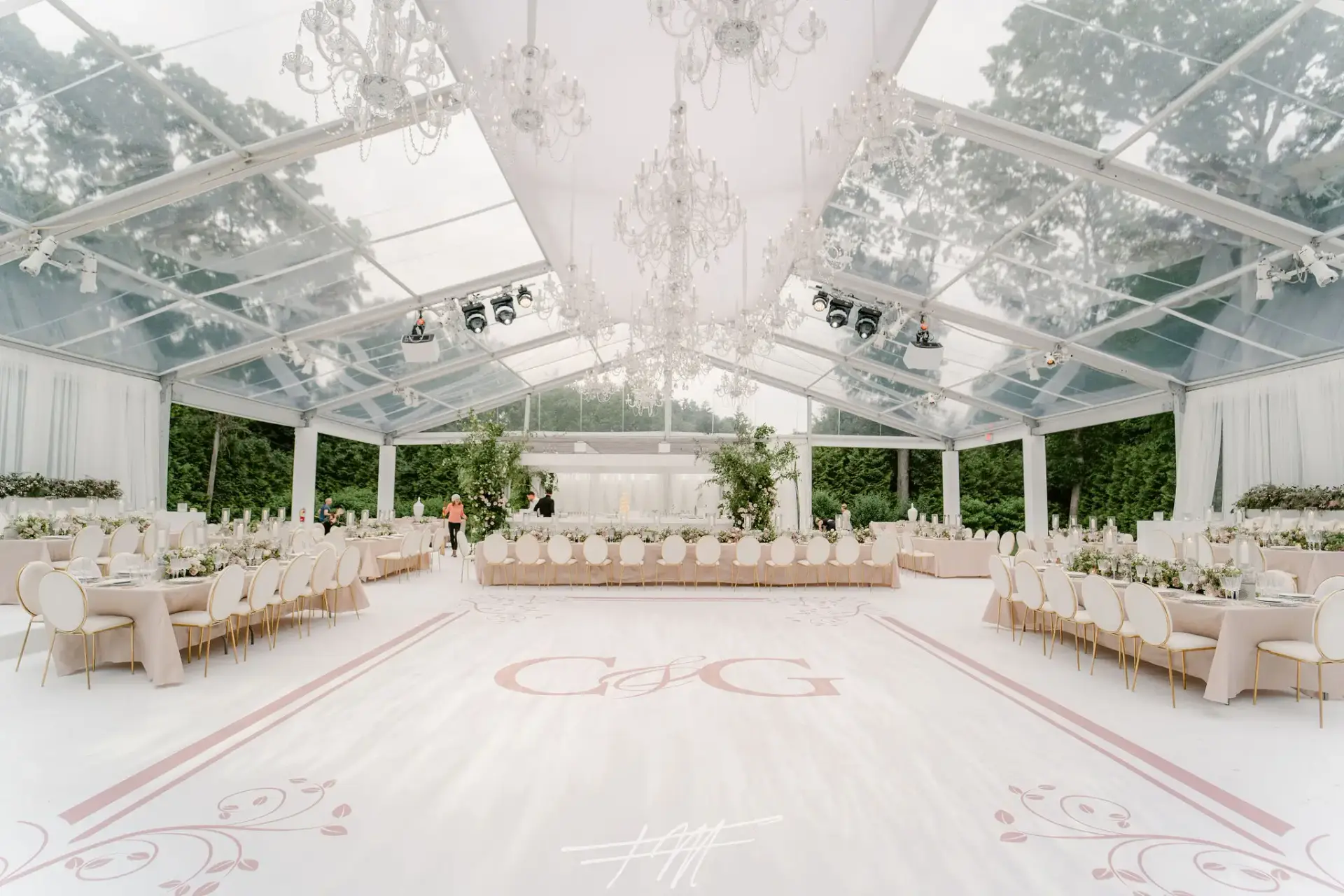
Within this layout, the dance floor acts as the natural focal point of the celebration. Placing professional dance floor rentals at the center of your floor plan establishes a magnetic energy hub. You can choose classic oak parquet, high-gloss white vinyl, or custom-printed designs that match your event’s branding or wedding crest. Frame the dance floor with low-profile lounge furniture or radial dining tables to encourage seamless guest interaction and keep the energy high throughout the night.
Transforming the Canopy: Creative Fabric Draping Methods
Fabric draping is the most effective tool for softening the hard lines, metal rafters, and industrial joints of a tent frame. By introducing soft textiles overhead, you introduce texture, shadow, and architectural elegance to a wide-open space. For frame tents, a full fabric ceiling liner creates a billowy, cloud-like ceiling that hides the aluminum framework completely. This style works exceptionally well for classic romantic weddings and traditional black-tie galas, using white or ivory polyester-voile fabrics that diffuse natural light beautifully during the day.
If a full ceiling liner feels too heavy, consider radial swags or localized leg drapes to maintain an open-air quality. Radial draping involves pulling fabric sweeps from the high center peaks of the tent down to the perimeter poles, creating an elegant, circus-tent-inspired canopy. Leg drapes—sheer panels of fabric tied back with greenery or silk ribbons at each perimeter pole—soften the vertical metal supports without blocking the natural views of your venue. This is particularly effective for coastal or garden settings where the surrounding landscape is a key part of the visual experience.
Material selection is critical when executing high-end draping. Chiffon and organza are favored for their light, airy drape and translucent qualities, which allow integrated lighting to shine through with a soft glow. For colder months, heavier fabrics like rich velvet or dense brushed cotton can be draped along the walls to provide both physical insulation and a cozy, opulent aesthetic. Expect professional fabric draping services to range from $1,500 for basic leg and perimeter treatments to upward of $15,000 for full custom ceiling installations in larger structures.
Illuminating the Space: Expert Lighting Designs for Event Tents
Selecting the right illumination is the single most important factor when planning how to decorate a tent for a party. Lighting dictates the emotional atmosphere of the room, shifts the energy as the sun sets, and highlights the architectural details of your decor. According to a study on sensory event design by the Special Events Magazine Editorial Board, proper lighting design can increase guest photo-sharing behavior by over 50% by creating highly photogenic, atmospheric spaces. To achieve this, professional designers use a layered approach that combines ambient, task, and accent lighting.
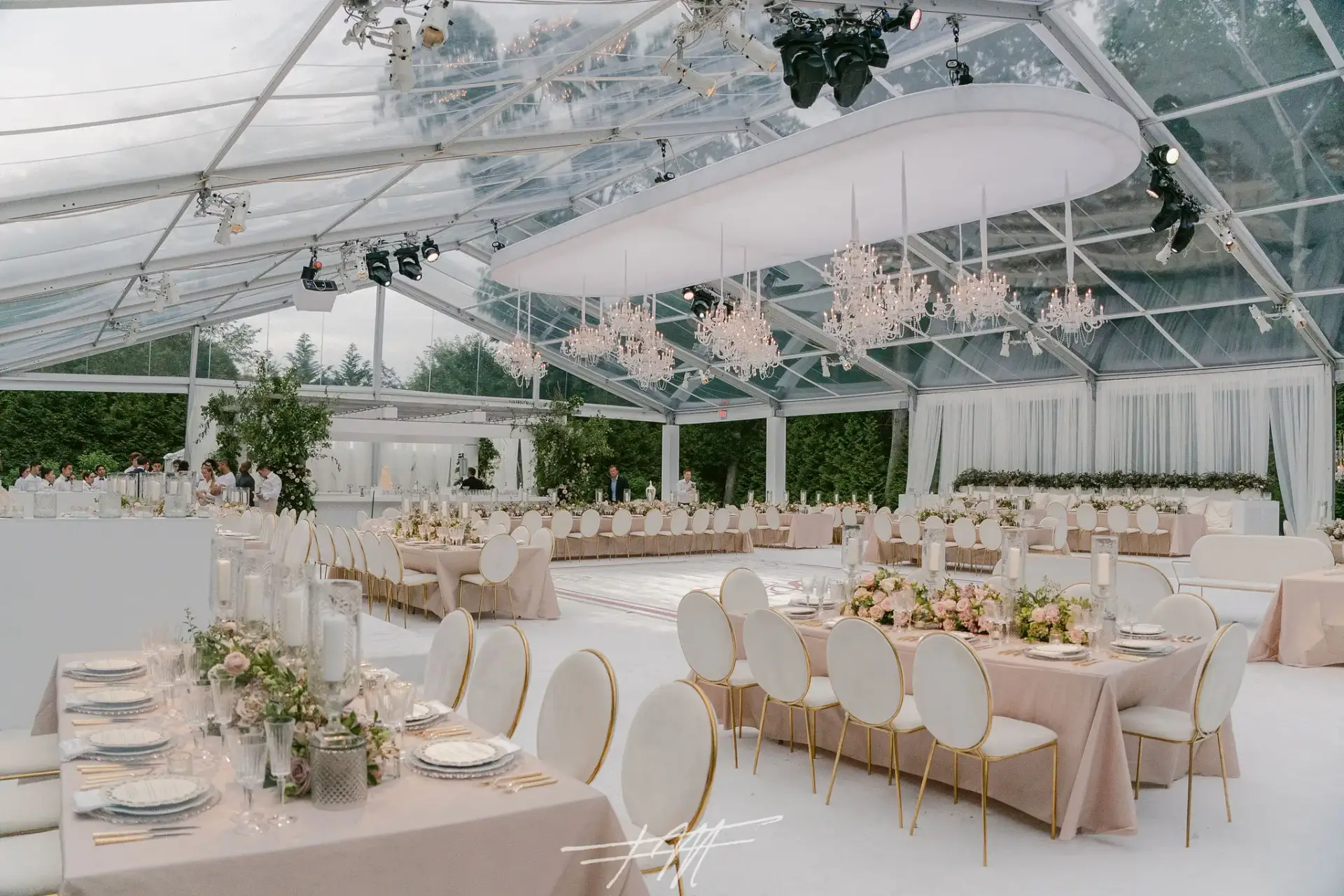
Ambient lighting establishes the base layer of visibility. For a romantic, starry-night effect, a full canopy of fairy lights or densely strung bistro lights is unparalleled. Bistro lighting installations typically cost between $1.50 and $3.50 per linear foot and provide a warm, golden glow (aim for a color temperature of 2700K). To elevate a formal dining setup, suspend magnificent crystal, brass, or mid-century modern chandeliers from the structural rafters. Integrating professional event lighting ensures these heavy fixtures are safely rigged to the load-bearing beams of the tent rather than DIY attachment points.
Accent lighting is where the drama is created. LED uplights placed at the base of each perimeter pole can wash the fabric walls in soft hues of amber, blush, or champagne, matching your color palette. Pin-spotting is another secret weapon of elite planners: these highly focused, narrow beams of light are suspended overhead to illuminate only the centerpieces and table settings, leaving the surrounding air beautifully dim. This prevents the dining area from looking washed out and keeps the visual focus exactly where you want it.
Elevating the Perimeter: Vertical Floral and Greenery Installations
Bringing organic elements into a temporary structure bridges the gap between the structured interior and the natural outdoor surroundings. Vertical floral installations break up the vast emptiness of high tent peaks, drawing the eyes upward and making the space feel more intimate. Wrapping the main support masts of a pole or sailcloth tent in lush vines, smilax, or climbing eucalyptus instantly transforms structural necessities into majestic, living columns.
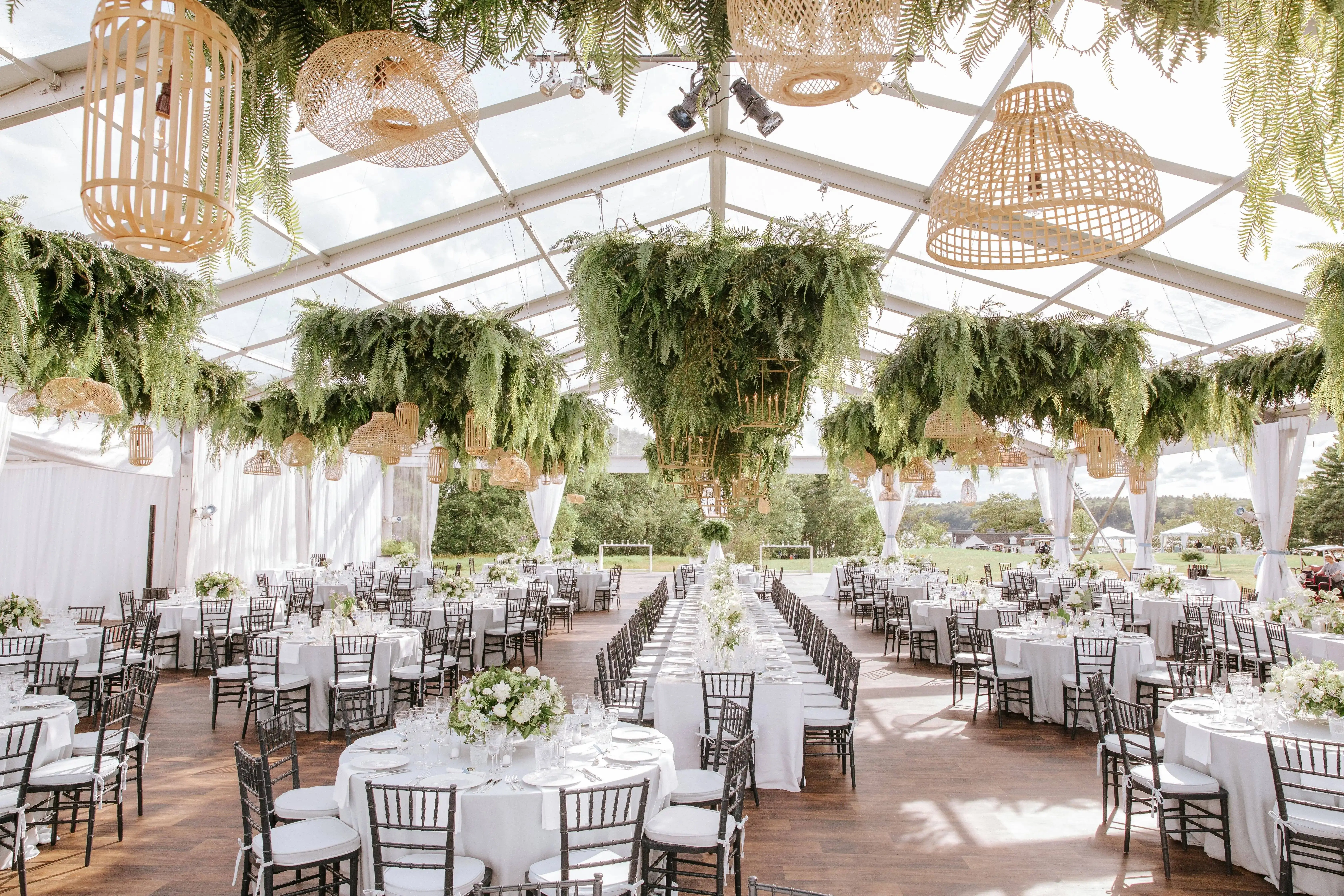
According to the horticultural design specialists at the Floriology Institute, utilizing suspended greenery in outdoor structures helps naturally regulate ambient humidity and acoustics, absorbing excess echo common in high-ceilinged spaces. Hanging floral “clouds” or massive elevated wreaths above the dining tables has become a hallmark of luxury design. These installations use lightweight armatures wrapped in damp moss to keep delicate blooms like hydrangeas, wisteria, and garden roses fresh for the duration of the event.
For a dramatic entryway, design a lush floral arch or a living wall at the main entrance of the tent. This creates a sensory transition zone for guests as they leave the outdoor elements and enter your curated environment. Integrate potted topiaries, boxwood hedges, or large ficus trees around the interior perimeter to hide structural weight bags or water barrels, ensuring every angle of the tent looks impeccably styled and intentional.
Innovative Tent Decor Ideas for Modern Gatherings
Modern tent design has evolved far beyond standard white vinyl structures. Today’s planners utilize innovative materials, bold color blocking, and architectural styling to create highly customized, immersive environments. Whether you are hosting an intimate milestone birthday or a large-scale corporate gala, choosing the right combination of structural elements and decor style sets the tone for the entire experience.
Consider using clear-span structures with transparent roof panels to let the surrounding environment serve as your primary backdrop. During the day, a clear canopy floods the space with natural light; at night, it offers an unobstructed view of the stars and the moon. To balance the sun’s heat during daytime hours, integrate sheer sails or hanging fabric panels to provide shade where guests are seated while keeping the overall aesthetic sleek and modern.
| Decor Element | Ideal Tent Style | Visual Impact | Estimated Cost Range |
|---|---|---|---|
| Custom Fabric Draping | Frame & Clear-Span Tents | Softens lines; hides metal structural beams. | $1,500 – $15,000+ |
| Layered Chandeliers & Bistro Lights | Sailcloth & Pole Tents | Provides a warm, luxurious, multi-dimensional glow. | $800 – $6,000+ |
| Leveled Hardwood Flooring | All Tent Styles | Eliminates uneven turf; creates a ballroom feel. | $12 – $30 per sq. ft. |
| Suspended Floral Clouds | High-Peak Clear-Span & Pole Tents | Fills vertical space; creates intimate dining zones. | $2,500 – $20,000+ |
How to Decorate a Tent for a Party of Any Size
Decorating a tent successfully requires a systematic, step-by-step approach that balances creativity with structural engineering. Regardless of whether your guest list is 50 or 500, following a logical installation sequence ensures that no decor elements are damaged and that the setup crew can work safely and efficiently. If you are debating between a pole tent vs frame tent selection, remember that pole tents require center support masts which become key decor focal points, while frame tents offer completely open interior spans ideal for uninterrupted ceiling draping.
Use this professional installation sequence to execute your design seamlessly:
- Establish the Layout and Anchoring: Mark the exact footprint on the ground, ensuring all stakes or water weights are placed safely away from underground utility lines.
- Install the Flooring System first: Lay down the subfloor, turf protection, and finished flooring before any other decor arrives to prevent foot-traffic damage.
- Rig Overhead Elements: Hang all ceiling draping, chandeliers, fairy light grids, and floral armatures while the tent structure is empty and rigging points are easily accessible.
- Position Large Furniture and Stages: Move in the bars, staging, dining tables, and heavy lounge vignettes, aligning them precisely with the overhead light fixtures.
- Dress the Tables and Perimeter: Add linens, tableware, chairs, low floral arrangements, and vertical greenery columns.
- Execute Final Lighting Adjustments: Wait until dusk to focus pin-spots, program LED color washes, and dim ambient fixtures to the perfect level.
Avoiding Common Professional Mistakes in Tent Decoration
One of the most frequent errors made by DIY hosts and novice planners is underestimating the power requirements of their decor. A single high-end lighting package, complete with pin-spots, uplights, chandeliers, and band stage lighting, can easily draw more electricity than a standard residential outdoor outlet can provide. Overloading a household circuit will trip the breaker mid-event, plunge your party into darkness, and silences the music. Always calculate your total amperage draw and rent a dedicated, whisper-quiet generator (usually costing between $600 and $1,800 per day) to run all decor, catering, and entertainment power independently.
Another common pitfall is failing to account for wind and weather when designing hanging installations. High-peak tents naturally catch the wind, which can cause heavy hanging floral clouds or loose fabric swags to sway dangerously. Professional riggers use rated aircraft cables, steel carabiners, and counterweights to secure all hanging decor directly to the structural aluminum rafters or wooden poles. Never attach heavy decor items directly to the vinyl tent fabric or light-duty support ropes. By prioritizing structural safety and working alongside experienced tent rental specialists, you can ensure that your enchanting design remains beautiful, safe, and secure from the first guest’s arrival to the final dance of the evening.
FAQ
What is the most cost-effective way to decorate a large tent?
Focusing your budget on high-impact lighting, such as warm bistro string lights, is the most cost-effective way to fill a large space. Pair the lighting with simple greenery swags wrapped around the support poles and colorful table linens to create a vibrant, cohesive look without the high cost of full ceiling draping.
How do you secure heavy decorations to a tent frame?
Heavy decor elements must always be secured directly to the load-bearing aluminum rafters or wood support masts using rated steel clamps, aircraft cables, and carabiners. Never attach any heavy items to the vinyl fabric or secondary ropes, and always consult your tent rental provider to verify the structure’s safe hanging weight limits.
Can you decorate a tent the day before an outdoor event?
Yes, you can install structural elements like flooring, stage setups, and heavy overhead lighting the day before. However, delicate items like fresh floral arrangements, paper lanterns, and fine tabletop linens should be placed on the day of the event to protect them from overnight humidity, wind, and morning dew.
Which fabric is best for ceiling draping in an outdoor tent?
Polyester voile and premium chiffon are the best fabrics for tent draping because they are lightweight, inherently flame-retardant, and drape beautifully without sagging. These materials also diffuse light beautifully, creating a soft, romantic glow when paired with integrated fairy lights or uplighting.
How do you hide the metal poles of a frame tent?
You can hide metal frame legs easily by wrapping them in floor-length fabric leg drapes made of sheer voile or chiffon, secured with elegant ties or floral rings. Alternatively, you can wrap the poles in climbing greenery like smilax or eucalyptus to create a natural, organic look that blends into the surrounding landscape.
Is it necessary to have a floor in a party tent?
While not strictly mandatory for casual afternoon gatherings, having a solid floor is highly recommended for formal events to ensure guest safety, comfort, and stability for furniture. A leveled subfloor or a dedicated dance floor prevents chairs from sinking into the grass and protects the event from mud or moisture in the case of wet weather.