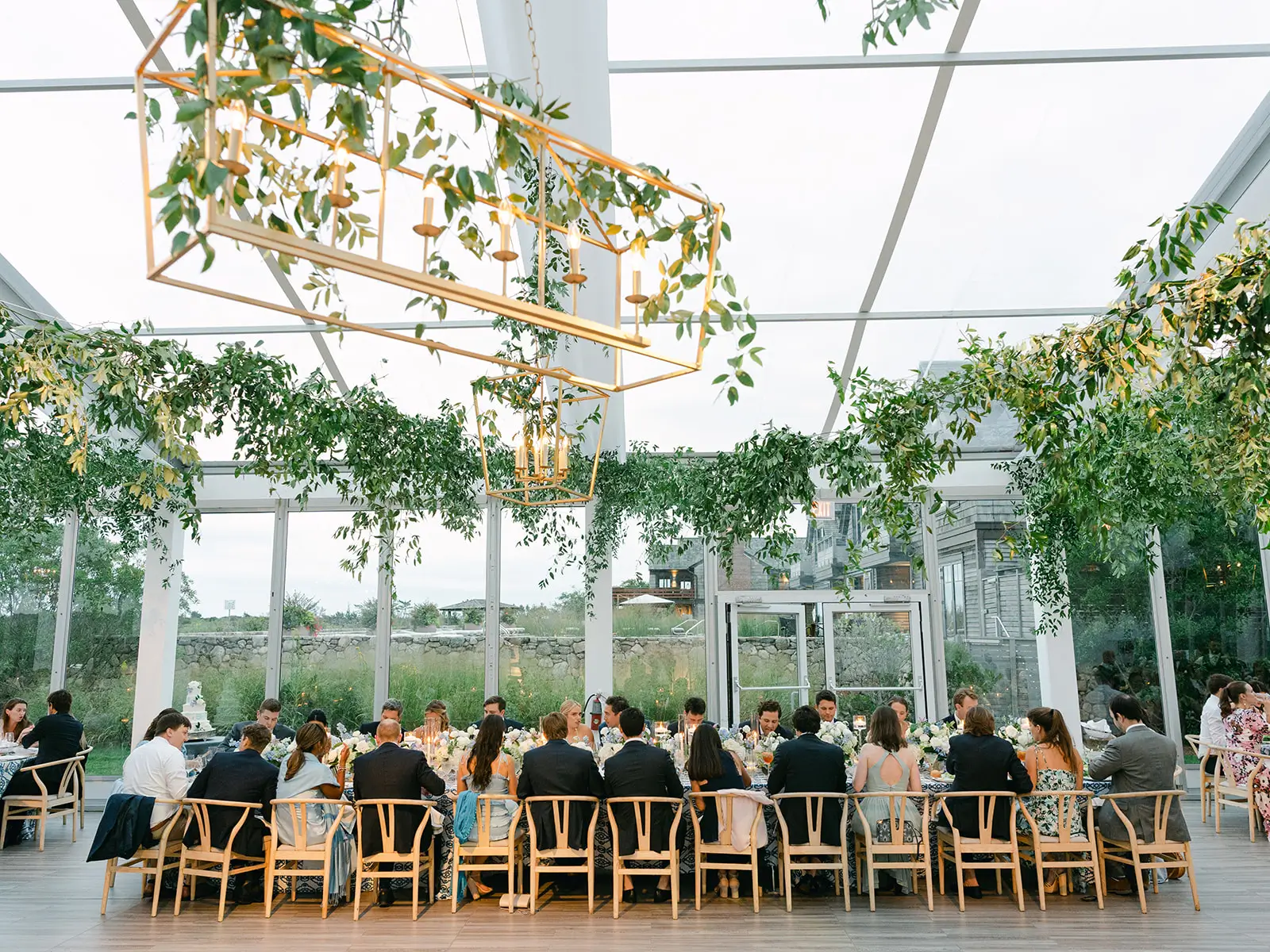
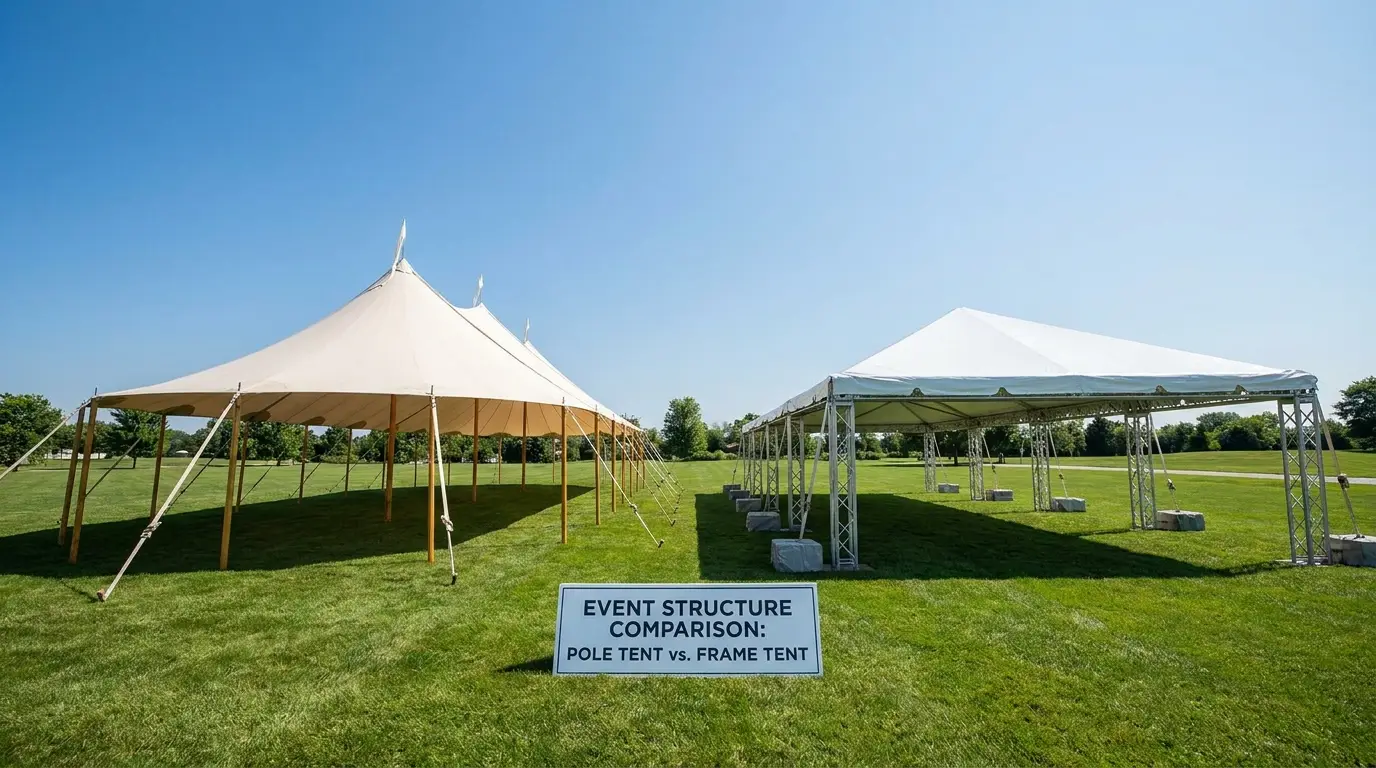
Elevating Your Event: Understanding the Differences Between Pole Tents and Frame Tents
Choosing the ideal tent structure is fundamental to the success and aesthetic of any outdoor event, from an intimate garden party to a grand wedding or corporate gala. For a classic, elegant aesthetic that blends seamlessly with natural landscapes and where interior poles enhance the design, a pole tent is the superior choice. These tents are typically more budget-friendly and offer graceful peaks, making them perfect for ceremonies or receptions on grassy lawns where staking is possible. Conversely, when maximum unobstructed interior space, adaptability to diverse surfaces like asphalt or concrete, or complex layouts involving stages and multiple zones are critical, a frame tent provides unmatched versatility and structural integrity. Frame tents are ideal for corporate functions, large events requiring extensive AV setups, or any scenario where a robust, clear span is paramount, offering the flexibility to arrange seating, catering, and entertainment without interruption. Understanding these core differences ensures your event space is not only beautiful but also perfectly functional.
Pole Tent vs Frame Tent Key: Takeaways
- Pole tents deliver a traditional, aesthetically pleasing look with their signature peaks, ideal for soft ground and events with a classic ambiance.
- Frame tents offer a versatile, open interior space, making them perfect for complex layouts, stages, and installations on any surface.
- Site assessment is crucial; pole tents require staking into soft ground, while frame tents can be ballasted on hard surfaces.
- Frame tents generally accommodate more extensive accessory integrations like full flooring, elaborate lighting, and climate control systems.
- Budget considerations often favor pole tents for their lower rental cost, though frame tents justify their investment through greater flexibility and durability.
Understanding the Classic Appeal of Pole Tents
Pole tents are renowned for their elegant, flowing lines and distinctive peaked canopies, which create a sophisticated and inviting atmosphere. The fabric roof of a pole tent is tensioned over central support poles and side poles, then anchored to the ground using stakes and guy lines. This tension creates the tent’s graceful curves and interior height, which many find inherently romantic for events such as weddings and high-end garden parties. The visual impact of a pole tent, with its soaring peaks, is often considered more aesthetically pleasing for traditional outdoor settings than the more utilitarian appearance of a frame tent.
The installation of a pole tent necessitates a permeable surface like grass or a soft field, as stakes must be driven securely into the ground to maintain the tent’s structural integrity. This requirement means pole tents are not suitable for hard surfaces such as concrete, asphalt, or patios unless specialized ballasting systems are employed, which can significantly increase complexity and cost. A typical 40×60 foot pole tent might require staking out an area of approximately 50×70 feet, accounting for guy lines and ropes. The setup process for a basic pole tent is often quicker than a comparably sized frame tent, requiring less intricate assembly of structural components, often leading to a reduction in labor costs. For instance, a standard installation might take a crew of four approximately 3-5 hours, depending on the tent size and site conditions. These qualities make pole tent rentals a popular choice for clients prioritizing classic charm and a natural fit within a scenic landscape.
- Aesthetic: Classic, elegant peaks with flowing lines.
- Installation Surface: Requires soft ground for staking.
- Interior: Features central and perimeter poles that integrate into the design.
- Typical Use: Weddings, garden parties, traditional outdoor events.
- General Cost: Often more budget-friendly due to simpler construction and installation.
One common professional mistake event planners make is underestimating the footprint required for a pole tent, failing to account for the necessary perimeter staking. While the tent itself might be 40×60 feet, the actual clear space needed on site, including the ropes and stakes, extends beyond the canopy dimensions. This oversight can lead to last-minute adjustments or even site incompatibility, particularly in venues with limited open space.
Maximizing Space and Versatility with Frame Tents
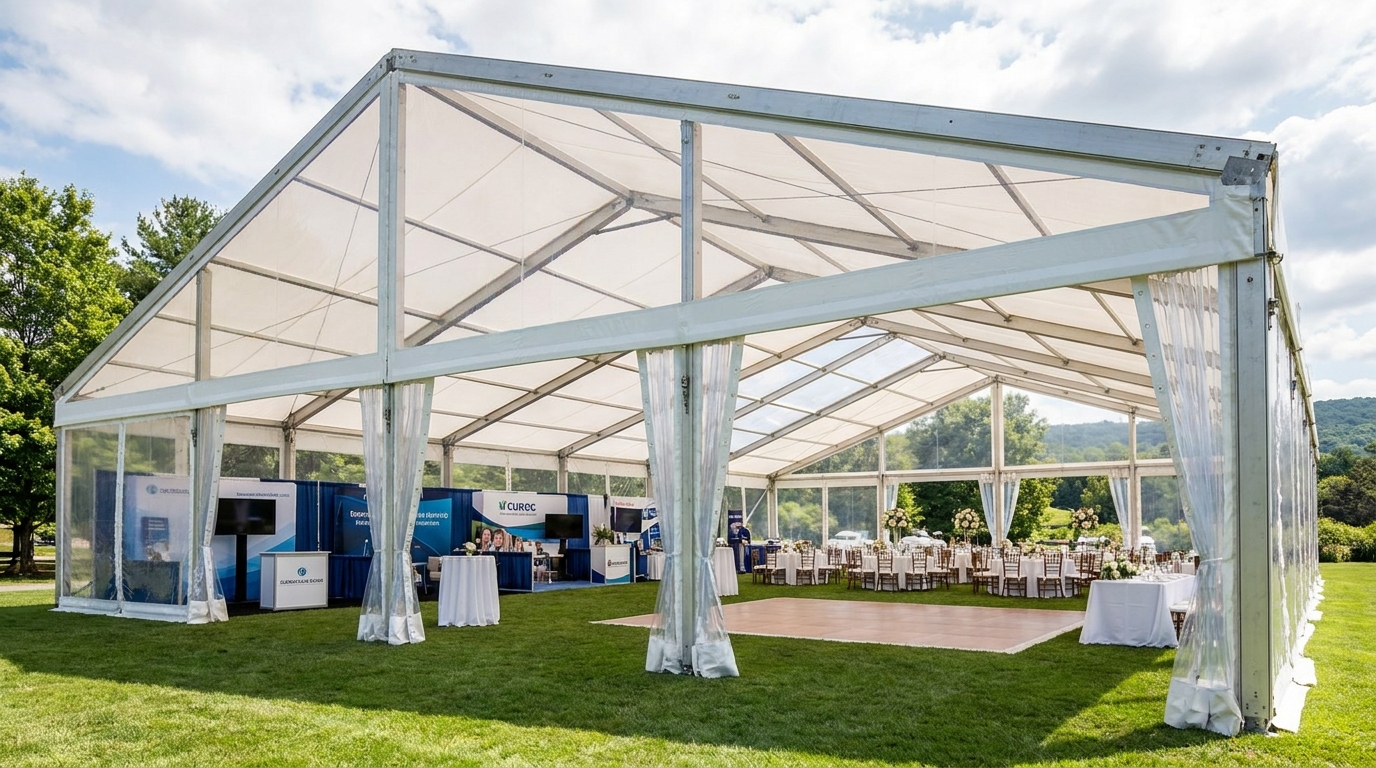
Frame tents distinguish themselves by offering an entirely open and unobstructed interior space, as their structure relies on a rigid, self-supporting aluminum or steel frame. This robust framework eliminates the need for interior support poles, providing unparalleled flexibility for layout design and event flow. From expansive dance floors to elaborate staging or complex catering setups, frame tents allow for maximum utilization of every square foot beneath the canopy. This inherent adaptability makes them a premier choice for events that demand precision in their spatial arrangement, such as corporate conferences, detailed wedding receptions, or large public gatherings.
The structural independence of frame tents allows them to be installed on virtually any surface, including grass, concrete, asphalt, or even elevated platforms. Without the need for ground staking, frame tents can be securely anchored using water barrels, concrete blocks, or other ballasting methods, making them ideal for urban environments, patios, or historical sites where ground penetration is not permitted. For example, a 40×60 foot frame tent can be ballasted with approximately 8,000-12,000 pounds of weight, distributed evenly, to withstand wind loads, adhering to safety standards. The setup process for a frame tent involves assembling the modular frame pieces, then hoisting the canopy over the structure. This often requires more specialized equipment and a larger crew, typically taking 5-8 hours for a similar 40×60 foot tent. The initial investment for frame tent rentals is generally higher than for pole tents, reflecting their engineering complexity and versatility, but this is often justified by their superior adaptability and the freedom they offer in event design.
- Unobstructed Interior: No internal poles, maximizing usable space.
- Installation Versatility: Can be set up on any surface, including hardscapes.
- Structural Integrity: Robust frame design offers excellent wind resistance and stability.
- Customization Potential: Easily accommodates advanced flooring, glass walls, and complex lighting.
- Best For: Corporate events, intricate wedding layouts, long-term installations, or challenging sites.
According to industry reports, frame tents are preferred by approximately 60% of event planners for large-scale corporate events due to their flexibility in accommodating presentation stages and breakout zones. For an event needing significant power distribution and climate control, a frame tent simplifies installation by providing a clear, accessible perimeter.
Pole Tent vs Frame Tent: A Direct Comparison for Event Planners
Deciding between a pole tent and a frame tent requires a thorough evaluation of several key factors, ranging from the practicalities of the event site to the overall desired ambiance and budget. While both tent types offer shelter and transform outdoor spaces, their inherent design differences lead to distinct advantages and limitations. Event planners must weigh these characteristics carefully to ensure the chosen structure perfectly complements their vision and logistical requirements. The comparison below highlights the primary considerations.
| Feature | Pole Tent | Frame Tent |
|---|---|---|
| Aesthetic Appeal | Classic, elegant peaks; traditional, flowing fabric. | Modern, clean lines; versatile and adaptable appearance. |
| Interior Space | Features center poles that require layout planning around them. | Completely open and unobstructed; maximum usable space. |
| Installation Surface | Requires soft ground (grass, dirt) for staking. | Versatile: can be installed on grass, asphalt, concrete, decks. |
| Staking/Ballasting | Mandatory staking into ground; requires additional perimeter clearance. | Can be staked or weighted with ballast (water barrels, concrete blocks). |
| Wind Resistance | Good, relies on tension and ground stakes. Often rated for winds up to 60-70 mph. | Excellent, rigid structure provides superior stability. Often rated for winds up to 70-80 mph or higher. |
| Customization & Accessories | Limited full flooring options; poles can interfere with lighting. | Highly adaptable for full flooring, clear walls, elaborate lighting, HVAC. |
| General Cost Range | Generally more budget-friendly. (e.g., $1.50 – $3.00 per sq ft for rental) | Higher initial investment. (e.g., $2.50 – $5.00 per sq ft for rental) |
For an average 40×60 foot event tent, the rental cost for a pole tent might range from $3,600 to $7,200, while a frame tent of the same size could cost $6,000 to $12,000, depending on the season, region, and included services. These figures are exclusive of accessories like flooring or lighting. Choosing the right tent means aligning its structural and aesthetic properties with the specific demands of your event and location.
Choosing the Right Foundation: Site Considerations for Tent Rentals
The success of any tented event hinges significantly on a thorough assessment of the proposed site. Site considerations extend beyond mere space availability; they encompass ground conditions, accessibility, and potential obstructions. For pole tents, the primary consideration is the availability of soft, permeable ground suitable for secure staking. A site survey will confirm the absence of underground utilities (pipes, electrical lines) that could be damaged by stakes. Furthermore, the ground must be relatively level; while minor inclines can be managed, significant slopes can compromise the tent’s stability and comfort for guests.
Frame tents offer greater flexibility in site selection because they do not require staking. They can be installed on hard surfaces such as paved parking lots, tennis courts, or even rooftops (with proper engineering). However, even with frame tents, site assessment is crucial to determine the most effective ballasting method and to ensure the ground can support the weight of the tent and its accessories. For example, a heavy-duty leveled floor system for a frame tent, particularly over uneven terrain, adds significant weight and requires specific support points. According to a study by the Event Safety Alliance, inadequate site assessment contributes to over 20% of tent-related incidents, underscoring its critical importance. Professional tent providers conduct detailed site visits to measure, evaluate ground conditions, identify hazards, and plan logistics for delivery and installation. This proactive step prevents numerous potential issues, ensuring a safe and functional event space.
Beyond the Structure: Enhancing Your Event with Tent Accessories
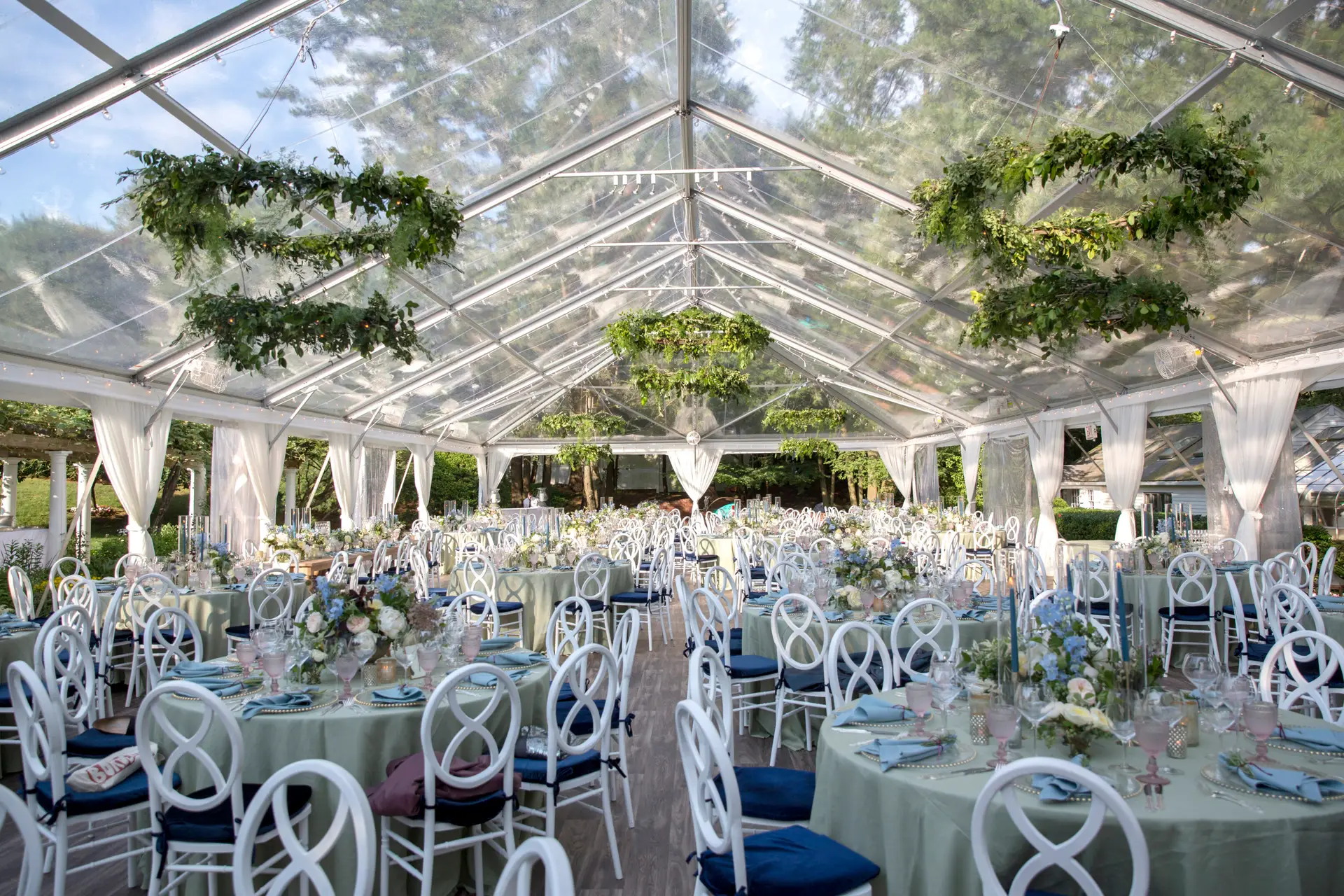
While the choice between a pole tent and a frame tent defines the fundamental structure of your event space, it is the integration of thoughtful accessories that truly transforms a simple canopy into an unforgettable venue. Both tent types can accommodate various enhancements, but their structural differences influence the ease and scope of installation. Frame tents, with their robust, open framework, are particularly adept at supporting elaborate accessory packages. For instance, the absence of interior poles in a frame tent allows for seamless installation of full flooring systems, from sub-floors that level uneven ground to elegant finished surfaces like hardwood or carpeting. This clear span also facilitates intricate lighting designs, including chandeliers, string lights, and uplighting, without interruption from support poles.
Heating and cooling systems, essential for guest comfort in varying weather conditions, are often more efficiently integrated into frame tents. Ducting can run along the perimeter or overhead without obstruction, delivering consistent climate control throughout the space. Similarly, sophisticated power distribution systems can be discreetly installed within the frame, providing ample and safe electrical access for catering equipment, entertainment, and lighting. Pole tents, while charming, present more challenges for such extensive installations due to their central and perimeter poles. However, simpler accessories like market lights, draped fabric liners, and certain types of portable heating/cooling units can still be beautifully incorporated. The key is to discuss your accessory needs early with your tent provider, as some options, such as specific event lighting designs or glass wall panels, are exclusively compatible with frame tents. This ensures that every detail, from comfort to aesthetics, is meticulously planned and executed.
Cost Implications: Budgeting for Your Ideal Tent Structure
Budgeting for a tent rental involves more than just the base price of the structure; it encompasses a range of factors that collectively determine the total investment. Generally, pole tents represent a more budget-friendly option compared to frame tents of similar size. This cost difference stems primarily from the simpler engineering and quicker installation process associated with pole tents, which translates to lower labor hours and less complex equipment. For example, a basic pole tent rental (without accessories) for a weekend might start around $1.50 to $3.00 per square foot. However, this assumes a suitable grassy site and a straightforward setup.
Frame tents, while offering greater versatility and an unobstructed interior, typically come at a higher price point, ranging from $2.50 to $5.00 per square foot for the basic structure. This increased cost reflects the intricate modular frame assembly, the need for specialized equipment like forklifts for larger structures, and the potential for expensive ballasting methods when staking is not an option. Moreover, the extensive array of accessories often desired with frame tents—such as leveled sub-flooring (which can cost an additional $2.00-$5.00 per square foot), clear top panels, glass walls, and sophisticated HVAC systems—can significantly increase the overall expenditure. When planning, it is crucial to obtain a detailed quote that itemizes all desired components, including delivery, installation, breakdown, and any necessary permits. A holistic approach to budgeting, considering both the tent type and all desired enhancements, ensures no hidden costs surprise you.
FAQ
What is the primary difference between a pole tent and a frame tent?
The primary difference lies in their internal structure: pole tents rely on central and side poles, and tension from stakes to stand, creating graceful peaks. Frame tents use a rigid, self-supporting metal framework that eliminates interior poles, providing an open, unobstructed space.
How do interior poles affect event layout in a pole tent?
Interior poles in a pole tent necessitate careful layout planning, as they must be incorporated into the seating, dining, or stage arrangements. They can create natural sections within the tent but may also obstruct views or flow if not strategically managed.
Can a frame tent be installed on asphalt or concrete?
Yes, a significant advantage of frame tents is their ability to be installed on various surfaces, including asphalt, concrete, and even elevated decks. This is achieved by using ballasting systems (such as water barrels or concrete blocks) instead of ground stakes.
Which type of tent is generally more cost-effective?
Pole tents are generally more cost-effective for basic rentals due to their simpler design and installation requirements. Frame tents typically have a higher rental price due to their complex structure, installation versatility, and capacity for extensive accessories.
Are pole tents suitable for formal events like weddings?
Absolutely. Pole tents are a classic choice for weddings and other formal events, often chosen for their elegant peaks, traditional aesthetic, and romantic ambiance. They are particularly popular for events on natural, grassy sites.
What accessories are typically available for both pole and frame tents?
Both pole and frame tents can be outfitted with a range of accessories, including lighting (e.g., string lights, chandeliers), sidewalls, and climate control (heaters, portable AC units). Frame tents, however, more easily accommodate full leveled flooring, clear top panels, and glass walls due to their unobstructed interior and robust frame.