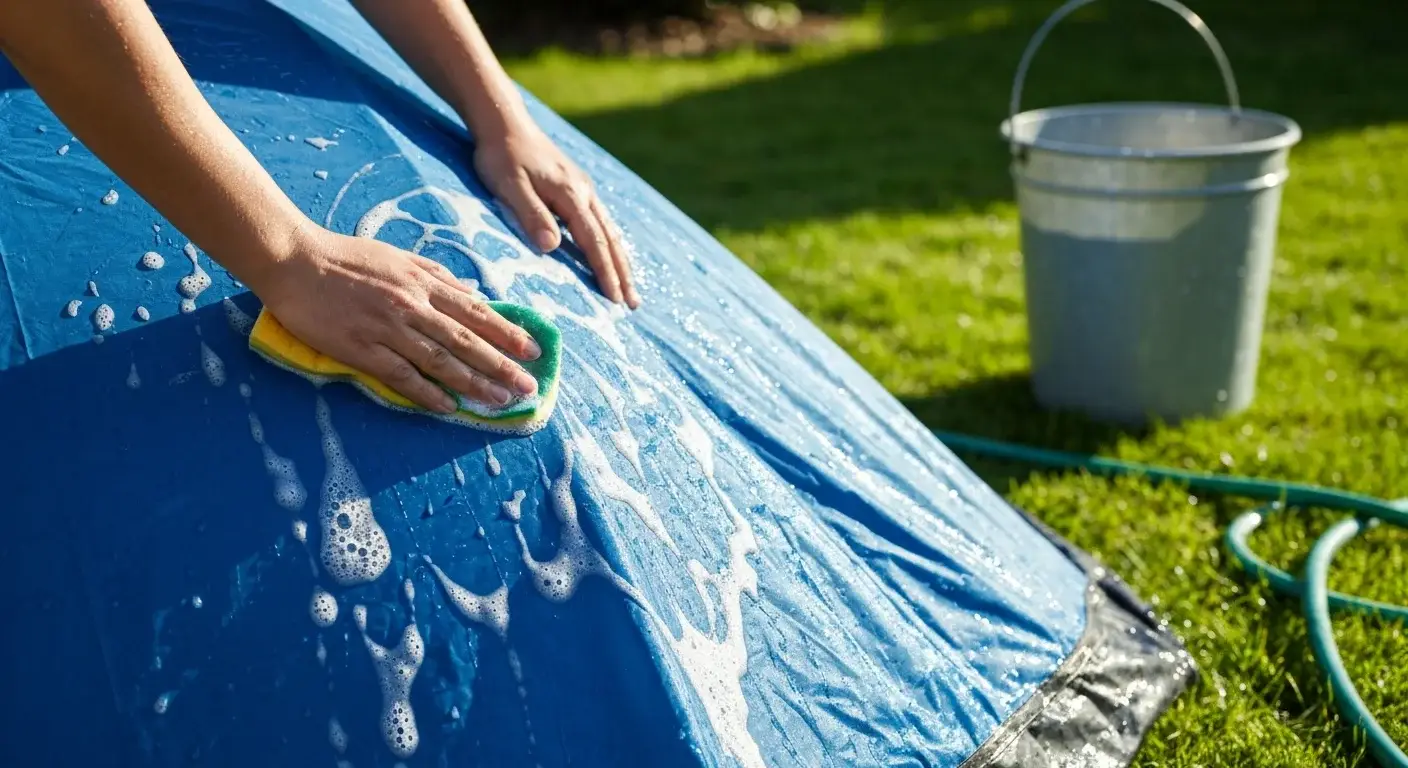
To clean a rented event tent effectively, the optimal approach depends heavily on the fabric type and the scale of the structure. For vinyl event tents (such as clear top frame tents or traditional tension structures), use a specialized, non-abrasive vinyl cleaner or a mild, biodegradable dish soap combined with warm water and soft-bristled brushes. For premium sailcloth structures like Sperry Tents, employ a gentle, pH-neutral fabric cleaner to protect the organic weave and water-repellent treatments. Never use high-pressure power washers, stiff-bristled brushes, or harsh bleach mixtures on commercial-grade tenting. These harsh methods strip protective UV coatings and weaken fabric integrity. Instead, prioritize manual hand-scrubbing for targeted spots, combined with low-pressure rinsing and complete, moisture-free air drying. For large-scale setups, commercial cleaning machines designed specifically for event tents provide the safest, most efficient results. Following these systematic steps ensures your rented shelter remains pristine, hygienic, and structurally sound throughout your celebration.
Key Takeaways
- Use mild, pH-neutral soaps and soft brushes to clean commercial vinyl and sailcloth fabrics safely.
- Avoid high-pressure washing on premium tent fabrics to protect structural UV and water-resistant coatings.
- Clean stains immediately, and dry the tent fabric completely to prevent mold and mildew growth.
- Focus on systemic frame maintenance, wiping down aluminum poles with non-abrasive cleaners to prevent oxidation.
- Partner with professional rental companies to handle heavy maintenance for complex, large-scale structures.
Why Keeping Commercial Party Tents Clean Matters
Maintaining absolute cleanliness on a rented party tent protects guest health, preserves structural longevity, and prevents costly security deposit disputes. For hosts, a spotless canopy represents the physical standard of the entire gathering. Dust, pollen, bird droppings, and grease stains ruin the visual aesthetic of high-end outdoor events. Beyond visual appeal, the chemical accumulation of organic materials can degrade fabric coatings over time. The American Rental Association (ARA) reports that regular maintenance, including systematic cleaning, increases the service life of commercial fabric structures by up to 40%. When dirt embeds itself into the fabric weave, it traps moisture, creating a breeding ground for mold and mildew. Removing these pollutants promptly ensures that the tent fabric remains strong and free from odors. Furthermore, rental agreements mandate returning the equipment in clean condition. Failing to do so often incurs unexpected maintenance fees ranging from $200 to $1,500. By understanding how to properly manage these structures, as outlined in our lessons from the field on tent care, hosts can maintain a flawless event atmosphere.
How to Clean Tent Fabric Without Damaging Protective Coatings
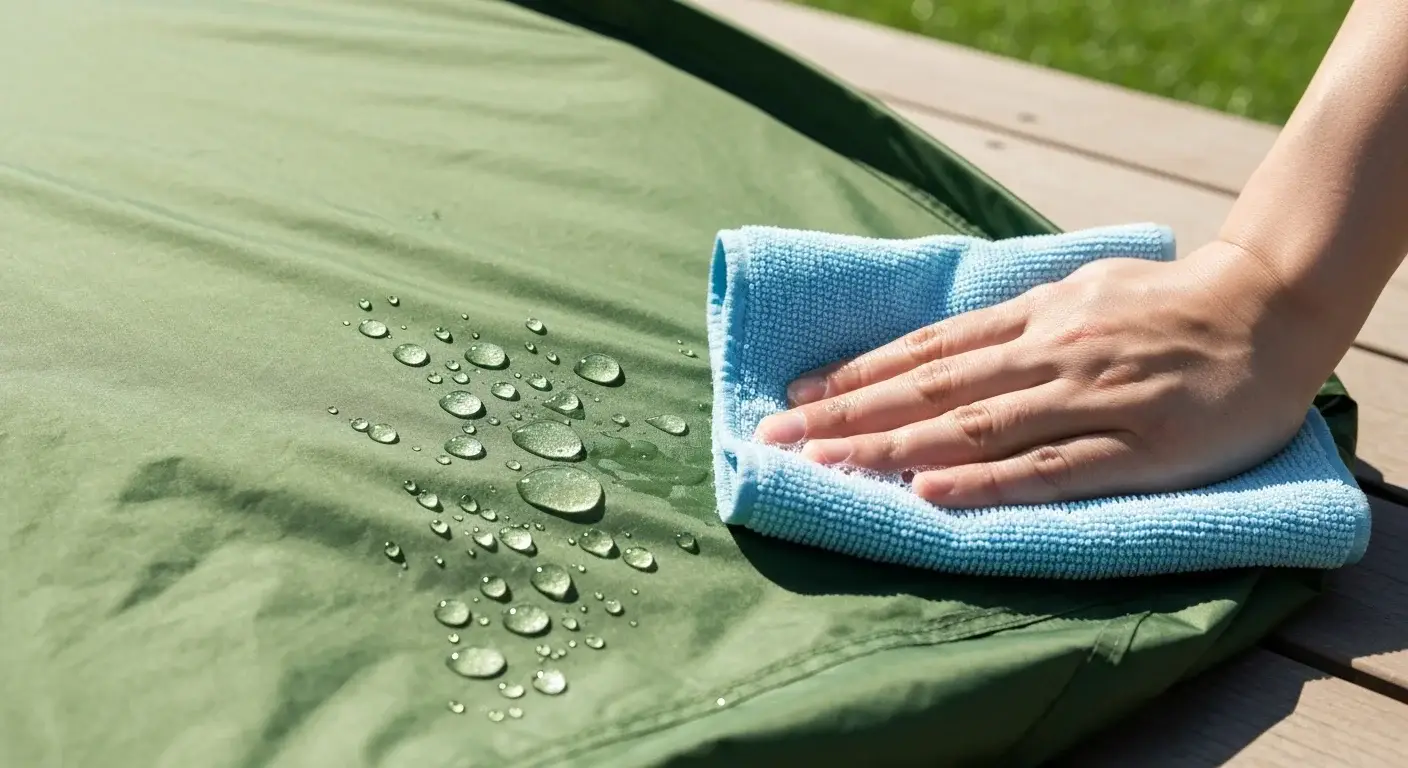
To clean tent fabric safely, you must select mild, pH-neutral cleansers and apply them with soft-bristled tools. Commercial tents feature advanced synthetic polymers, like polyvinyl chloride (PVC), or tight cotton-polyester blends. These fabrics receive specialized treatments to resist ultraviolet rays, water penetration, and open flames. Using harsh abrasive cleaners like chlorine bleach or trisodium phosphate (TSP) can strip these critical chemical shields. Instead, opt for biodegradable vinyl cleaners or basic dishwashing soaps. Specialized vinyl cleaners cost between $15 to $45 per gallon, whereas commercial-grade concentrates run from $50 to $120 for bulk quantities. If you use standard dish soap, dilute it to a 5% solution in lukewarm water. Never apply stiff scrubbing pads, steel wool, or wire brushes to the delicate canopy. These aggressive materials create micro-abrasions that trap dirt and harbor mold spores. Focus on soft microfiber cloths, sponge mops, and soft horsehair brushes to lift soot, pollen, and dirt safely.
A Systematic Guide on How to Clean a Tent from Top to Bottom
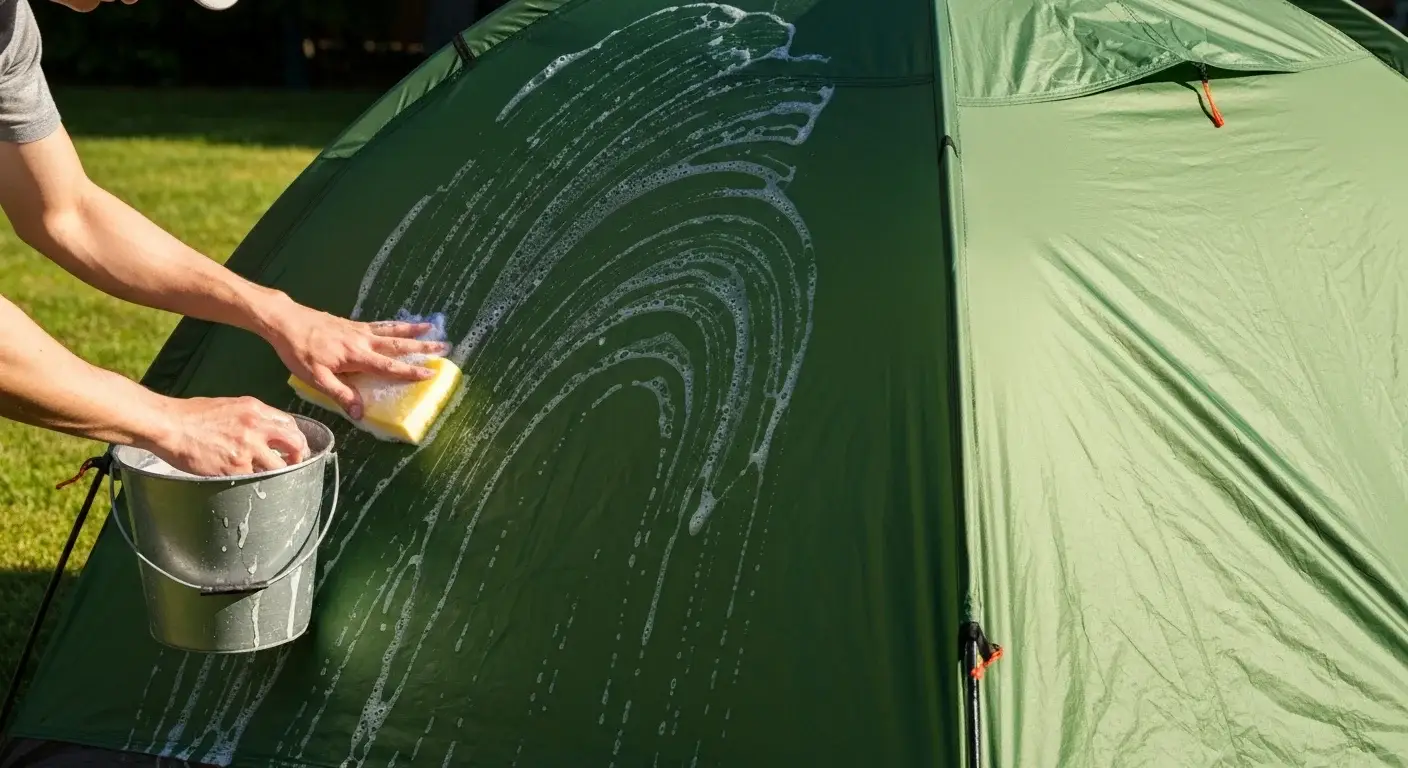
Cleaning a tent systematically requires preparing a safe staging area, utilizing gentle soaps, and ensuring total moisture elimination before packing. Rushing the washing process often results in missed spots, fabric tears, or sudden mold outbreaks. To perform a thorough clean on any commercial canopy, follow this structured, five-step process:
- Prepare a Safe Staging Surface: Spread a large, clean protective tarp over a flat, paved surface. Never lay the premium canopy fabric directly onto rough concrete, asphalt, or dirt. This prevents scratching the vinyl or grinding in new stains.
- Sweep and Vacuum Debris: Use a soft-bristled broom or a high-powered leaf blower to remove all loose leaves, twigs, dust, and insects. Clearing loose debris first prevents creating muddy streaks when you apply water.
- Apply Gentle Cleaning Solutions: Apply your diluted pH-neutral cleaning solution using a soft sponge, mop, or a low-pressure garden spray bottle. Work in manageable 10-foot by 10-foot sections. Let the solution sit for three to five minutes to loosen embedded grime.
- Scrub and Rinse with Care: Scrub the fabric gently in circular motions using a soft-bristled brush. Avoid high-pressure power washers, which can tear stitching or separate seams. Rinse the section thoroughly with clean, low-pressure water from a garden hose. Ensure all soap residue is washed away.
- Dry the Material Completely: Hang the fabric panels or erect the tent frame to let air circulate freely. Never pack away a damp tent. Moisture trapped inside folded vinyl will breed destructive black mold within 24 to 48 hours.
For hosts utilizing premium Sperry sailcloth tents, this hand-cleaning process is especially vital. The organic weave of sailcloth requires a very gentle touch to preserve its translucent properties and soft, natural color.
How to Clean a Large Tent with Commercial Efficiency
Cleaning a large tent efficiently requires mechanized cleaning solutions, structured floor layouts, and coordinated crew efforts. Trying to manually scrub a massive 40-foot by 100-foot structure on the ground is exhausting and labor-intensive. Large-scale event rental firms utilize specialized commercial tent-washing machines. These automated systems operate similarly to large industrial commercial washers, using giant rotating drums to clean hundreds of square feet of vinyl simultaneously. According to structural fabric research from the Advanced Textiles Association (ATA), improper tensioning during drying and aggressive chemical exposure account for over 50% of premature commercial tent retirements. If you are cleaning a large structure manually, divide your crew into specialized teams. One team should focus on applying pre-treatment spray to heavy stains. The second team follows with soft floor scrubbers fitted with soft polishing pads. The third team handles the final rinsing process. Ensure you have massive drying racks or overhead winches to lift the heavy, wet panels off the ground. Wet commercial vinyl can weigh over 300 pounds per panel. Proper lifting techniques are vital. The Occupational Safety and Health Administration (OSHA) outlines strict lifting guidelines to prevent workplace injuries, emphasizing that teams should use mechanical lifts or multiple workers for items exceeding 50 pounds. Utilizing a methodical layout avoids re-contaminating clean fabric panels as they dry.
Comparing Fabric Cleaning Methods and Solutions
Selecting the correct approach for each unique tent material prevents structural degradation and visual damage. Different fabrics exhibit varying sensitivities to moisture, chemical agents, and friction. For instance, clear vinyl panels are highly susceptible to scratching, whereas heavy block-out vinyl can tolerate slightly firmer scrubbing. Understanding these distinctions saves time and preserves your investment.
Refer to the table below to match the appropriate cleaning method with your specific tent fabric:
| Fabric Material Type | Recommended Cleansing Agent | Optimal Tool for Cleaning | Crucial Cautionary Warning |
|---|---|---|---|
| Standard Block-out White Vinyl | Biodegradable commercial vinyl cleaner or mild dish soap | Soft-bristled deck brush or microfiber mop | Avoid harsh solvents that strip protective flame-retardant coatings. |
| Clear Top and Window Vinyl | Ammonia-free glass cleaner or specialized clear-vinyl polish | Ultra-soft microfiber cloth or plush sponge | Never use abrasive pads; dry wiping will cause permanent hazing. |
| Premium Sailcloth (Sperry) | Mild, pH-neutral textile cleaner in lukewarm water | Soft horsehair brush or handheld sponge | Do not scrub aggressively; protect the delicate organic cotton-blend weave. |
| Heavy-Duty Polyesters | Gentle laundry detergent or oxygen-based cleansers | Soft-bristled brush or low-pressure spray wand | Ensure complete drying to prevent fiber rot in high-humidity climates. |
By matching the material with the correct cleaning protocol, you prevent cloudiness, scratches, and structural breakdown. This ensures the tent performs exceptionally well during your event, whether you are hosting a small backyard gathering or a grand celebration under a large, elegant canopy.
Treating Stubborn Stains and Eliminating Mold Spores
Removing stubborn stains and mold spores from commercial tent fabric requires immediate targeted treatment and careful chemical selection. The most common stains encountered on event sites include rust, tree sap, bird droppings, grease, and leaf tannins. If left untreated in direct sunlight, these organic and chemical substances bake into the vinyl, causing permanent yellowing or fabric degradation.
- Rust Stains: Apply a specialized, oxalic acid-based rust remover directly to the spot. Rub gently with a soft sponge, then rinse immediately with fresh water. Avoid leaving rust removers on the fabric for more than three minutes.
- Tree Sap and Tar: Use a small amount of isopropyl alcohol on a clean microfiber cloth. Gently dab the sticky residue. Do not rub aggressively, as this can spread the sap and thin the vinyl coating.
- Bird Droppings and Organic Spills: Pre-soak the area with an enzyme-based organic cleaner. Let the enzymes break down the proteins for ten minutes before wiping clean with a damp cloth.
- Mold and Mildew: If mold develops, mix a solution of one part white vinegar to four parts water. For severe cases, use a highly diluted bleach solution (one part bleach to ten parts water). Test this mixture on a tiny, hidden seam first. Apply the solution, scrub gently, rinse completely, and dry the area in direct sunlight. Sunlight provides natural ultraviolet sterilization.
To learn more about selecting the right physical structure for your climate and space, consult our complete guide comparing pole tents and frame tents. Selecting the correct structure before your event makes setup, maintenance, and teardown much cleaner and more manageable.
Cleaning and Maintaining Structural Hardware and Metal Accessories
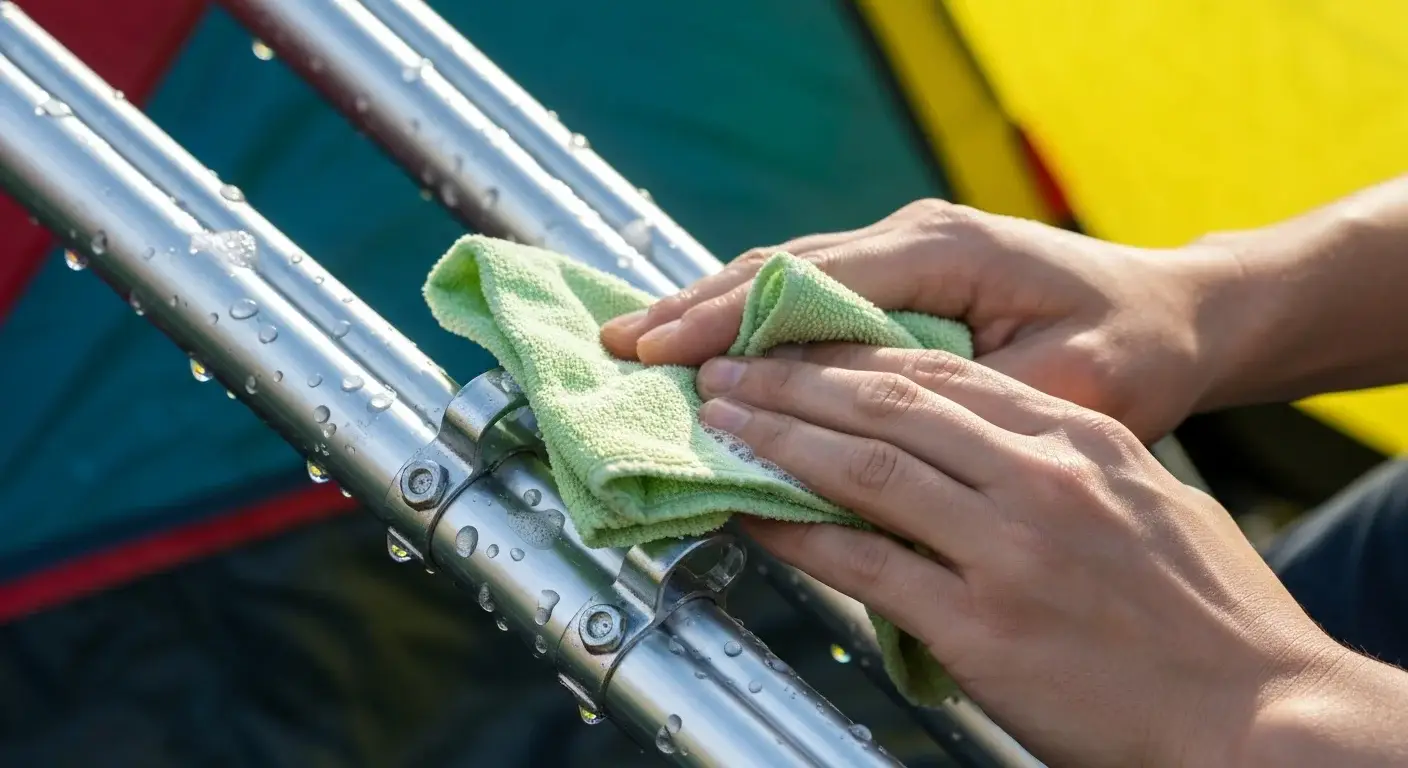
Cleaning the structural frame, stakes, and rigging hardware is just as critical as cleaning the soft fabric canopy. Aluminum and steel poles accumulate dirt, salt spray, and metallic oxidation during outdoor storage and use. If left uncleaned, this oxidation can transfer dark grey or black metallic dust onto the clean white tent fabric during the next installation.
To keep your structural accessories in pristine working order, apply these maintenance practices:
- Aluminum Frame Poles: Wipe down poles after every event using a damp microfiber cloth and a mild, non-abrasive metal cleaner. For oxidized surfaces, use a specialized aluminum polish to restore the smooth finish. Ensure the poles are completely dry before stacking to prevent water staining.
- Steel Joints and Pins: Inspect joint connections, push-pins, and steel weldments for signs of rust. Spray steel components with a water-displacing lubricant to protect the metal from humidity. Wipe away excess lubricant to prevent it from dripping onto the tent fabric.
- Ropes, Straps, and Ratchets: Soak heavily soiled tie-down straps in a bucket of warm water mixed with a mild laundry detergent. Hang them to air dry completely. Do not machine dry these straps, as extreme heat can degrade the high-tensile polyester fibers.
- Stakes and Anchors: Power-wash steel stakes to remove mud and clay. Dry them thoroughly and apply a light coat of rust-inhibiting spray to extend their operational lifespan.
Consistent hardware maintenance prevents structural failures and keeps your setup crews safe. It also protects your investment, ensuring that every pole, joint, and strap functions flawlessly.
FAQ
What is the safest soap to use when cleaning a tent?
The safest soap is a mild, pH-neutral biodegradable dish soap or a specialized commercial vinyl cleaner. Avoid harsh household chemicals, laundry detergents with built-in bleach, or abrasive kitchen scrubs, as these strip protective UV coatings.
Can you use a pressure washer to clean a large tent?
No, using a high-pressure washer is not recommended because it can damage heat-welded seams, strip waterproof coatings, and tear stitching. If you must use a pressure washer, keep the pressure below 500 PSI, use a wide-angle spray tip, and maintain a safe distance of at least two feet from the fabric.
How do you remove mold and mildew from tent fabric?
To remove mold and mildew safely, spray the affected area with a mixture of one part white vinegar and four parts warm water, then scrub gently with a soft brush. For extremely stubborn mildew, use a highly diluted bleach-and-water solution (1:10 ratio) after testing a small, inconspicuous area to ensure the fabric does not discolor.
How long does it take for a large tent to dry completely?
A large event tent typically takes between 4 to 12 hours to dry completely, depending on wind speed, temperature, and relative humidity. It is critical to hang the fabric panels in a well-ventilated area and avoid folding or packing them until every seam and pocket is entirely dry.
How do you clean clear vinyl tent windows without scratching them?
Clean clear vinyl windows using a specialized, ammonia-free glass cleaner or a dedicated clear-vinyl polish applied with an ultra-soft microfiber cloth. Never use paper towels, squeegees, or abrasive scrubbing sponges, as clear vinyl scratches very easily and can become permanently cloudy.
How often should commercial rental tents be washed?
Commercial rental tents should be inspected after every event and washed whenever dirt, pollen, or stains are visible. Deep cleaning should be performed at least once every three to four rentals, or immediately following exposure to heavy rain, tree sap, or coastal salt air.