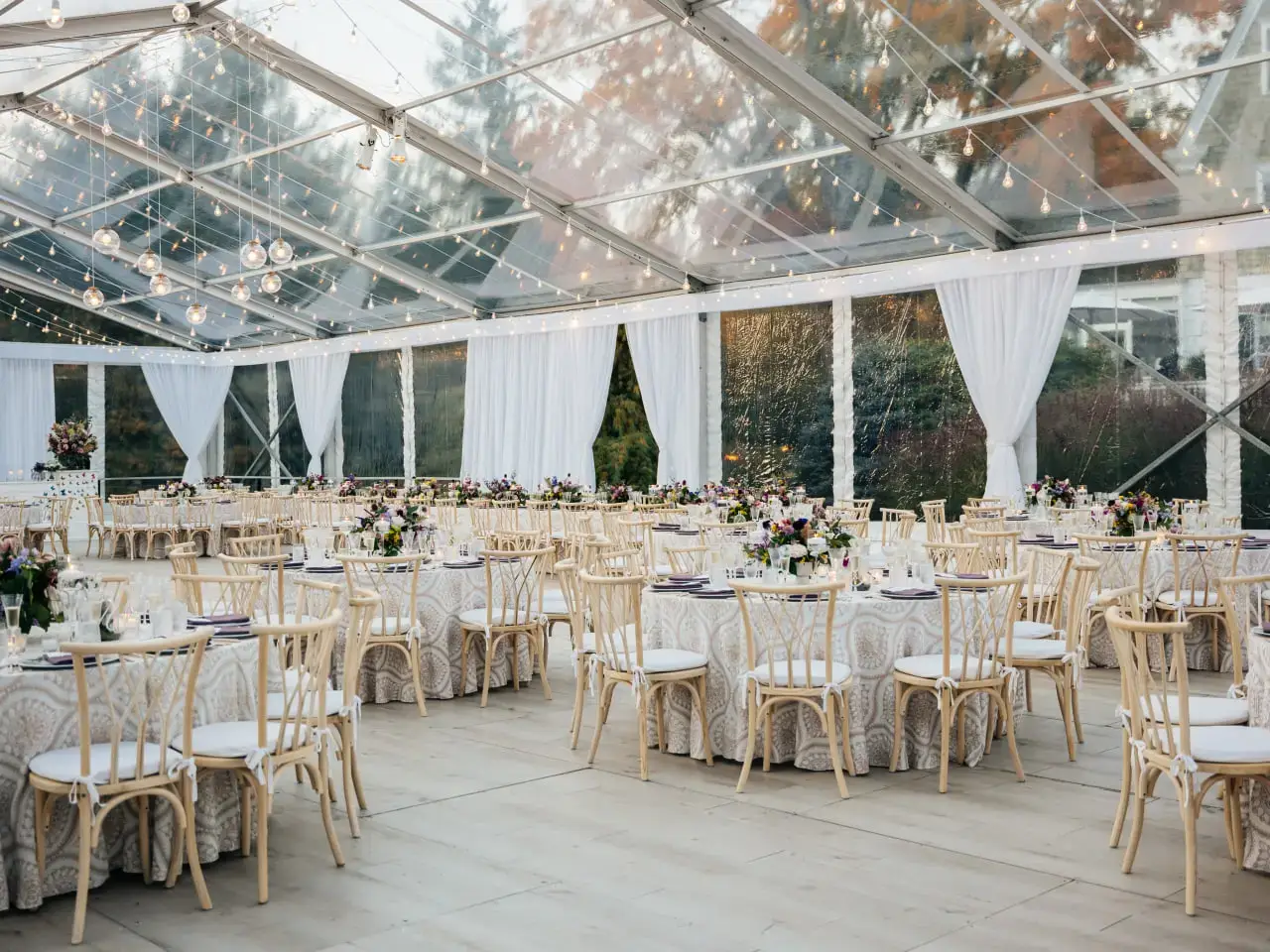
Hosting a successful winter wedding under a temporary structure requires shifting your focus from simple outdoor aesthetics to rigorous seasonal engineering. For a seamless experience in cold climates, you must select an engineered clearspan structure or a heavily tensioned frame tent paired with raised, insulated flooring and indirect-fired commercial heating. Traditional lightweight pole tents are highly vulnerable to heavy snow loads and winter wind shear. Because of this, luxury temporary structures are the only safe and reliable choice for sub-freezing celebrations. Combining these structural foundations with professional climate control creates a perfectly warm sanctuary. Your guests will enjoy absolute comfort even during the coldest winter storms. Making these structural investments early ensures your outdoor venue matches the thermal stability of a permanent, high-end indoor ballroom.
Key Takeaways
- Always select engineered clearspan structures or heavy-duty frame tents with certified wind and snow load ratings to ensure structural safety.
- Install a comprehensive, raised wooden floor system to prevent freezing ground temperatures from cooling the interior air.
- Utilize indirect-fired commercial heaters placed outside the tent, channeling clean, odorless warm air through integrated ductwork.
- Incorporate double-door glass entryways and enclosed vestibules to create an airlock that blocks freezing external drafts.
- Partner with an experienced installation crew to manage local permits, fuel logistics, and proactive weather monitoring.
Structural Engineering and Safety for an Outdoor Winter Wedding
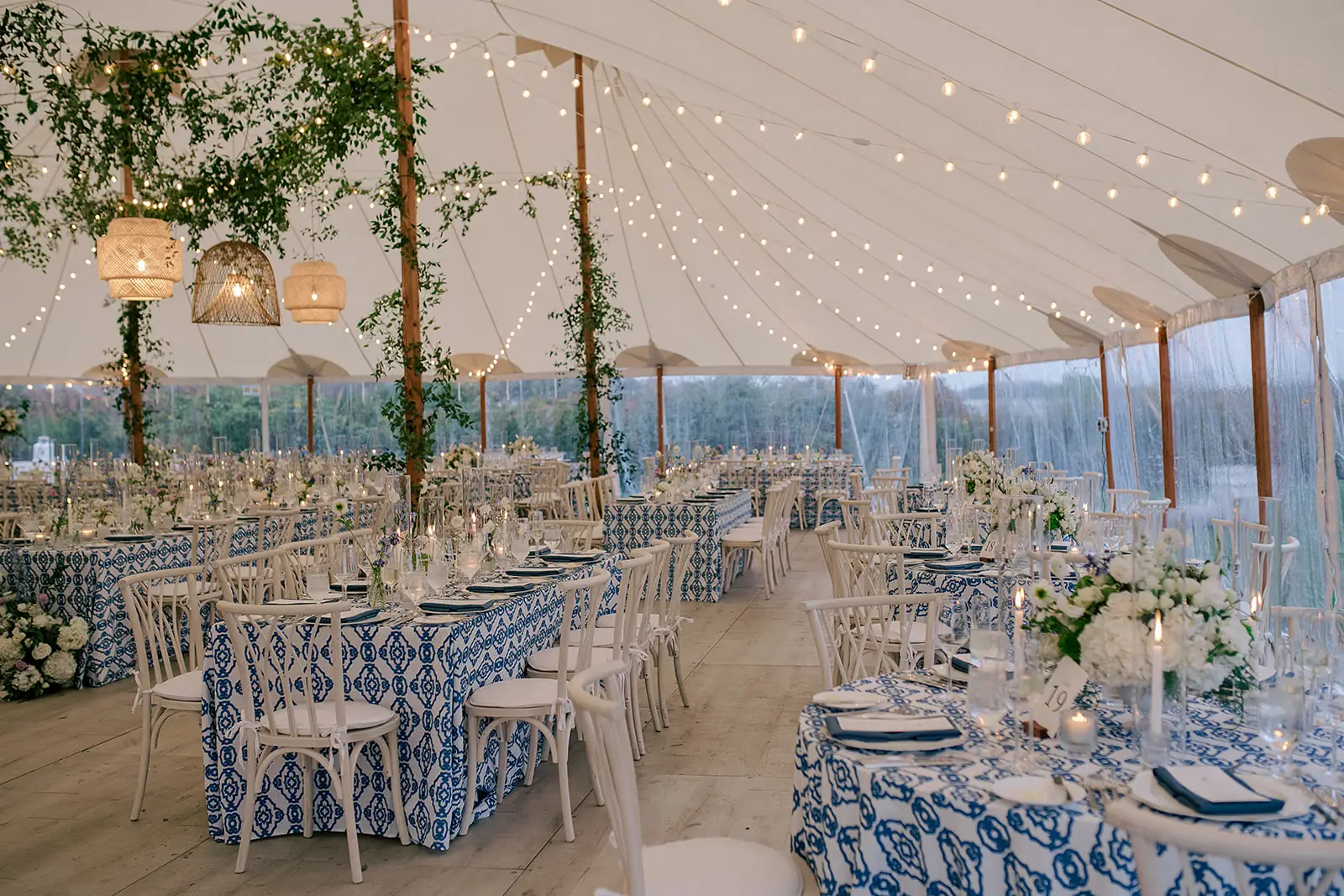
Hosting a winter wedding outside demands a structure designed to withstand unpredictable seasonal elements. Standard fabric tents designed for summer lawn parties lack the structural integrity to handle winter wind gusts and potential snowfall. To protect your guests and your investment, you must select an engineered clearspan structure or a heavy-duty frame tent.
Clearspan structures utilize robust aluminum box beams rather than thin hollow poles. These structures feature high wind ratings and can safely support heavy overhead installations, such as extensive lighting rigs and floral installations. According to structural safety guidelines published by the Insurance Institute for Business & Home Safety, temporary event structures must be rated for regional wind loads, which can exceed 90 miles per hour during coastal winter storms. Clearspan systems do not require interior support poles, which maximizes your usable floor plan.
Furthermore, winter weather brings the risk of wet snow accumulation, which can quickly collapse a non-engineered tent. Engineered structures feature highly tensioned, heavy-gauge vinyl roofs that allow snow to slide off or withstand specific load capacities until heated air melts the buildup. Professional tenting crews use heavy steel anchors, concrete weights, or specialized staking protocols to secure the framework deep into the frozen ground, ensuring the entire venue remains completely stable throughout your celebration.
Mitigating Ground-Level Heat Loss for a Winter Wedding Outside
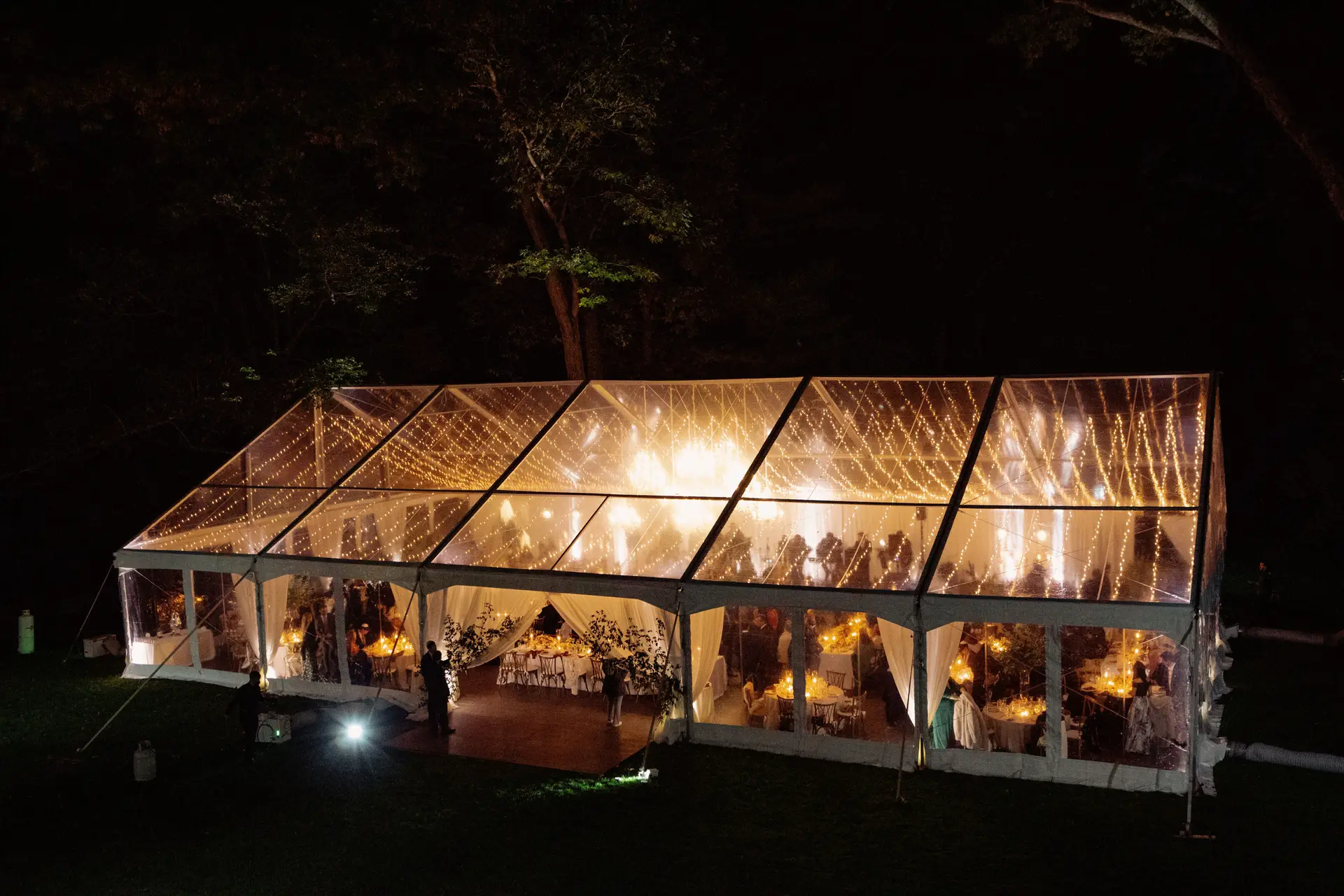
Uninsulated frozen ground will rapidly drain the warmth from your event, even if you run multiple high-output commercial heaters. Cold air is dense and naturally pools at ground level, while the frozen soil acts as a massive thermal sink. To prevent your guests from shivering, you must install a complete, elevated barrier between the ground and their feet.
The most effective solution is a professionally installed leveled flooring system. This process starts with laying down a heavy-duty plastic vapor barrier directly over the turf or asphalt. Next, installers build a wood or steel subfloor grid, creating a dead-air space of several inches to several feet above the ground. This air gap acts as a natural thermal insulator. Plywood decking is secured on top of the grid, followed by dense underlayment padding and premium event carpeting or tongue-and-groove hardwood planks.
To ensure a completely draft-free environment, the perimeter of the tent must be perfectly sealed. Standard vinyl sidewalls must be secured to the raised flooring using heavy-duty framing tracks or industrial-grade hook-and-loop fasteners. Additionally, installing double-door glass entryways creates an airlock system. When guests enter the venue, the outer doors close before the inner doors open, which effectively blocks freezing gusts from sweeping across the dining tables and dance floor.
Design and Aesthetic Strategies for a Luxury Winter Party Tent
Transforming a winterized temporary structure into an elegant, inviting venue requires a thoughtful blend of lighting, textiles, and warm decor. A winter celebration offers a unique opportunity to create a cozy, dramatic atmosphere that indoor ballrooms cannot easily replicate. Utilizing clear top tents allows guests to dine under the stars or watch snow fall overhead while remaining perfectly warm and comfortable.
To soften the modern frame of a clearspan structure, designers install rich fabric draping across the ceiling and down the legs. Heavy, textured materials like velvet, synthetic wool blends, and thick linen act as additional thermal barriers, trapping warm air and preventing drafty air movement. Incorporating deep jewel tones, rich forest greens, and metallic gold accents creates a sense of seasonal luxury and visual warmth.
Lighting plays a critical role in how warm a space feels to the human eye. Opt for soft, amber-toned uplighting, extensive candlelight, and low-hanging crystal chandeliers. To gather inspiration for your layout, explore classic Sperry tent wedding ideas that emphasize natural wood flooring, warm perimeter washes, and intimate lounge seating. Placing plush, upholstered sofas near the heating diffusers encourages guests to relax and socialize comfortably throughout the night.
Comparing Winter Tent Options and Specifications
Selecting the right structure depends heavily on your guest count, local weather patterns, and structural needs. Use the following table to compare the primary options for cold-weather events.
| Tent Structure Type | Wind & Snow Load Capacity | Heating & Insulation Requirements | Ideal Guest Experience & Vibe |
|---|---|---|---|
| Engineered Clearspan | Excellent (Up to 90+ mph winds; high snow tolerance) | Excellent heat retention; ideal for hard glass walls and double-door entries. | Sleek, modern, and highly customizable; feels like a permanent ballroom. |
| Heavy-Duty Frame Tent | Good (Moderate wind resistance; requires active snow monitoring) | Requires heavy vinyl sidewalls, raised subfloors, and continuous heating. | Classic, intimate, and versatile; easily accommodates custom fabric liners. |
| Clear Top Structure | Moderate (Must be kept heated to prevent snow accumulation) | High heating demand due to rapid radiant heat loss through clear vinyl tops. | Stunning visual impact; allows guests to dine under the winter sky. |
| Traditional Pole Tent | Poor (Unsuitable for severe winter winds or any snow loads) | Difficult to seal completely; prone to significant heat loss around poles. | Rustic and dramatic, but generally restricted to late spring through autumn. |
Step-by-Step Execution Guide for Cold-Weather Celebrations
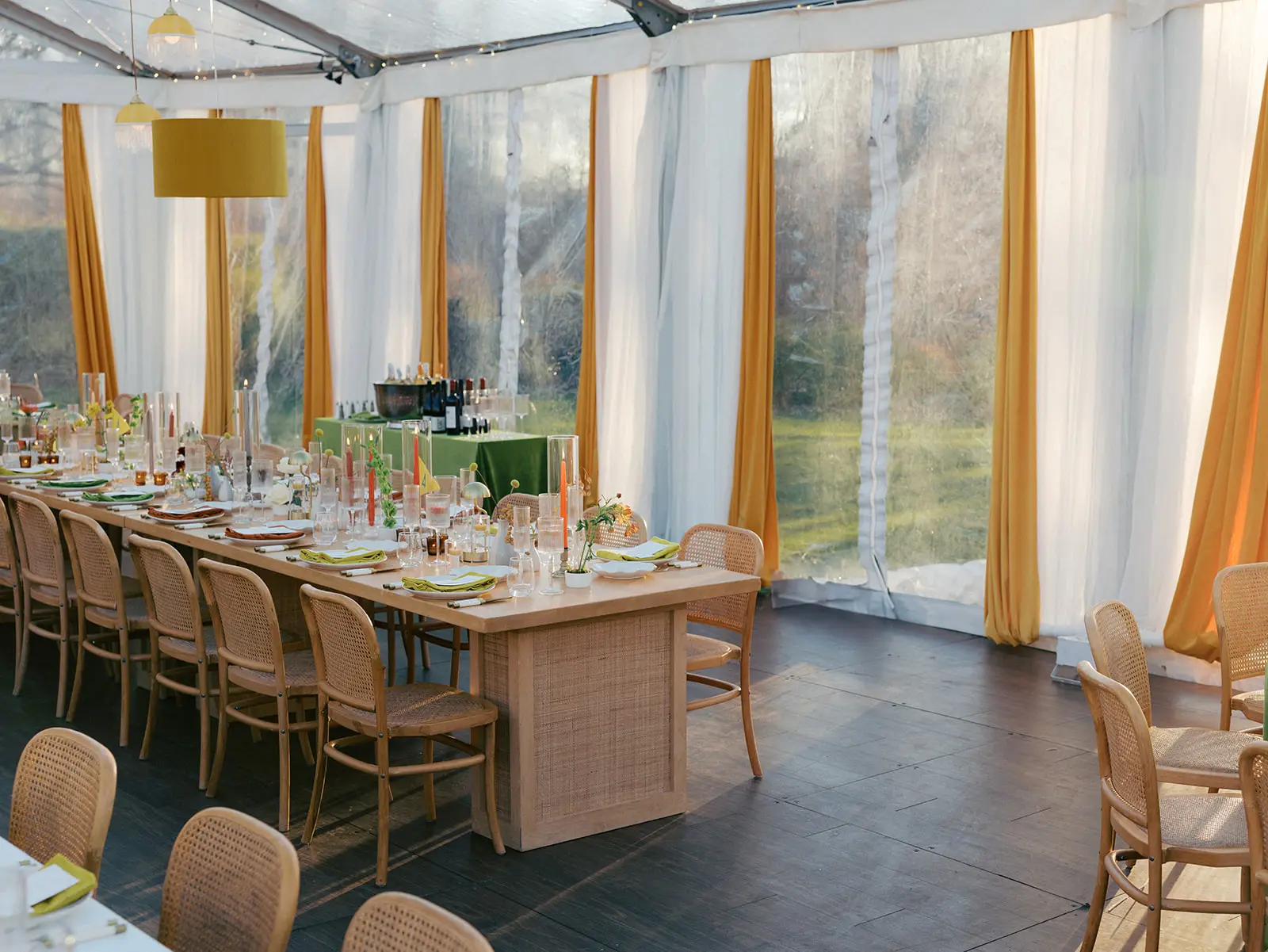
Executing a flawless outdoor event during the winter requires meticulous preparation and coordination. Follow this structured timeline to ensure every safety, technical, and comfort detail is addressed ahead of your wedding day.
- Conduct a Professional Site Assessment: Schedule a site survey during the autumn to evaluate soil drainage, ground slope, and access paths for heavy installation trucks.
- Secure Local Building and Fire Permits: Submit structural engineering plans and heating fuel storage layouts to local municipal offices to ensure compliance with regional safety codes.
- Install the Vapor Barrier and Subfloor: Begin setup several days before the event by laying down protective ground covers, followed by the engineered leveling grid and plywood subfloor.
- Erect the Engineered Structure: Assemble the aluminum or steel frame, tension the heavy vinyl roof panels, and install solid glass or hard-walled side panels.
- Seal the Perimeter and Entryways: Secure all wall bottoms to the raised flooring and install double-door glass vestibules to eliminate drafts.
- Position and Duct the Heaters: Place indirect-fired commercial heaters on level ground outside the tent, running insulated ductwork to subtle floor-level diffusers inside.
- Initiate the Pre-Heating Phase: Turn on the heating system 4 to 12 hours before guest arrival to warm the air, flooring, and furniture, ensuring a comfortable environment from the start.
- Deploy an On-Site Technician: Retain a dedicated HVAC technician throughout the event to monitor fuel levels, manage temperatures, and address any technical issues immediately.
The Technical Realities of Winter Tent Logistics
Managing the physical logistics of a winter wedding requires anticipating environmental challenges that do not exist during warmer months. Frozen ground is incredibly difficult to stake into, often requiring commercial hammer drills to penetrate the frost line. If staking is not permitted or possible, heavy concrete ballast weights must be trucked in to secure the structure safely.
According to regional meteorological records from the National Climatic Data Center, winter storms can cause temperatures to drop by 30 degrees or more in less than twelve hours. This rapid shift highlights the importance of having ample fuel reserves on-site. If you rely on propane-fueled indirect-fired heaters, the storage cylinders must be placed away from guest pathways but remain easily accessible for quick replacement. An experienced rental coordinator will always order 50% more fuel than the basic calculations suggest, protecting your event against sudden temperature drops or strong, heat-sapping winds.
Additionally, keeping guest walkways clear of ice and snow is a continuous task. Your vendor agreement should explicitly define who is responsible for salting, shoveling, and maintaining safe paths between the tent, the parking area, and any permanent restrooms. Hiring a professional valet service ensures your guests transition quickly from their warm vehicles into your beautifully heated temporary venue without navigating slippery walkways.
FAQ
What is the best type of tent for a winter wedding?
An engineered clearspan structure or a heavy-duty frame tent is the best choice for a winter wedding. These structures are built with sturdy aluminum or steel frames that can handle winter winds and snow loads far better than traditional, pole-supported tents.
How do you heat an outdoor tent during the winter?
You heat a winter tent using large, indirect-fired commercial heaters placed outside the structure. These units burn fuel in a self-contained chamber and blow clean, odorless warm air inside through insulated ducts, keeping guests comfortable without any exhaust fumes.
Is a raised floor necessary for a winter tent wedding?
Yes, a raised wooden subfloor is essential for any winter tented event. The frozen ground acts as a major source of cold air, which will quickly pull heat out of the tent if you do not install an insulated barrier between the ground and your guests’ feet.
How much does it cost to heat a winter party tent?
Commercial heating setups for a winter event typically range from $2,500 to $7,000. This cost depends on the size of the tent, local weather conditions, fuel requirements, and the need for dedicated on-site technicians to manage the system during the celebration.
Can you use a clear top tent for a winter wedding?
Yes, you can use clear top structures, but they require continuous heating to prevent snow and ice from building up on the roof. They also lose heat faster than solid vinyl tops, meaning your technician must adjust the heating calculations to keep the space perfectly comfortable.
How do you prevent cold drafts near the tent entrance?
You prevent cold drafts by installing solid double-door glass entryways and creating a marquis-style entry vestibule. This setup acts as an airlock, ensuring that freezing outside air is trapped in a transition space before guests enter the main reception area.