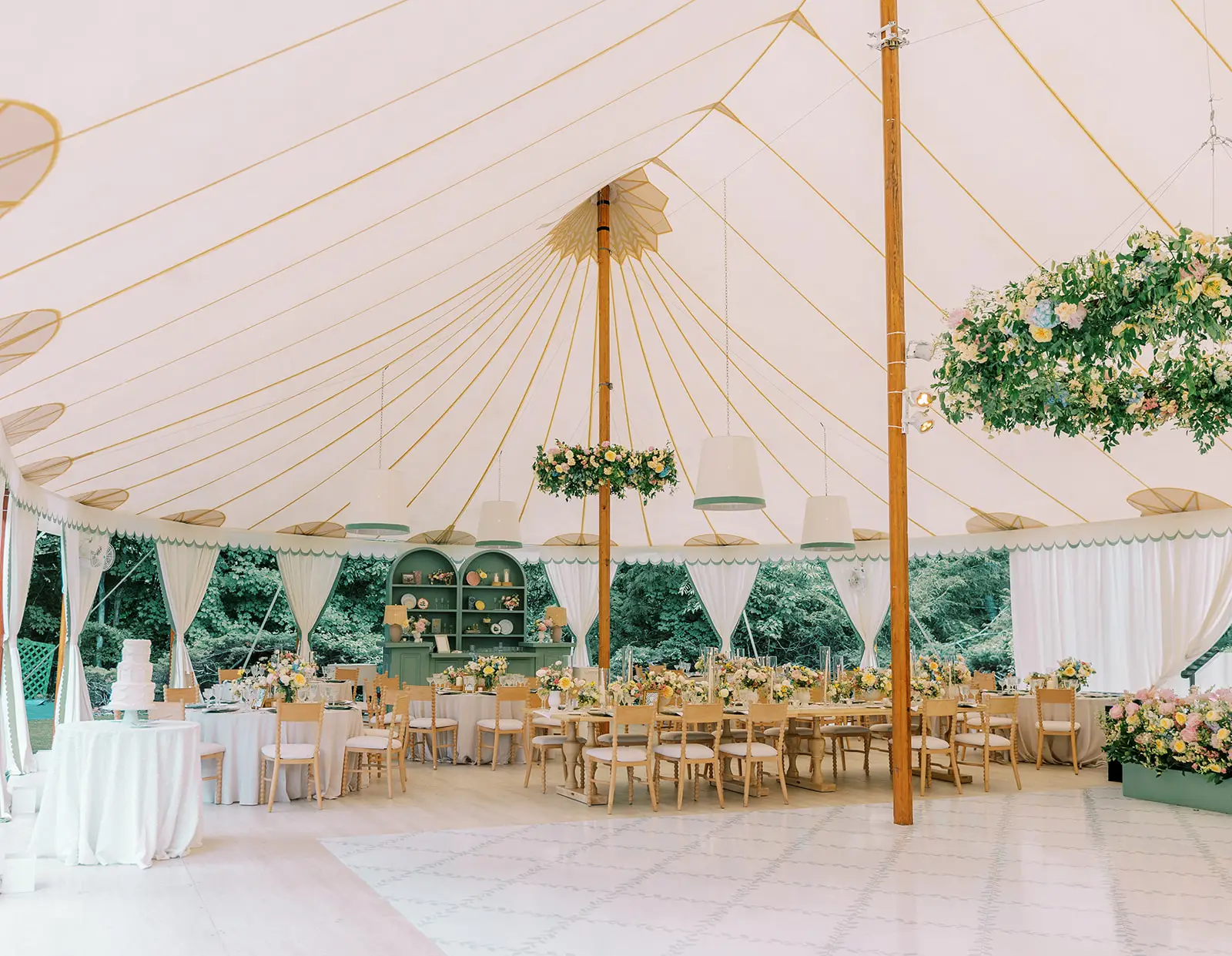
Optimizing an outdoor dining setup requires matching your location’s microclimate with the correct architectural framework. For high-wind environments, winter operations, and urban streets, choose an engineered, heavy-duty clearspan structure. For premium seasonal setups, historic properties, or coastal venues, choose a handcrafted Sperry sailcloth tent. For high-visibility evening dining where visual drama is paramount, clear top frame tents offer the perfect balance of weather protection and aesthetic appeal. Successful integration requires a system-based approach. Restaurateurs must coordinate leveled flooring, integrated HVAC, and strict municipal permitting to convert temporary space into a reliable, high-yield revenue engine. Whether operating in Bridgeport, CT or the historic districts of Greenwich, selecting the right physical asset directly dictates your long-term return on investment.
Key Takeaways for Designing Outdoor Dining Spaces
- Select engineered clearspan structures for year-round service and maximum interior layout flexibility.
- Incorporate professional concrete ballasting systems on asphalt or concrete to meet strict CT wind load requirements.
- Maintain a minimum of 15 to 20 square feet per guest to ensure comfortable dining, proper egress, and service flow.
- Deploy indirect-fired heaters placed safely outside the structure to deliver odorless, climate-controlled comfort during winter.
- Verify local municipal zoning, fire safety, and building codes before finalizing any long-term semi-permanent installation.
Selecting the Best Outdoor Dining Tents for Your Venue
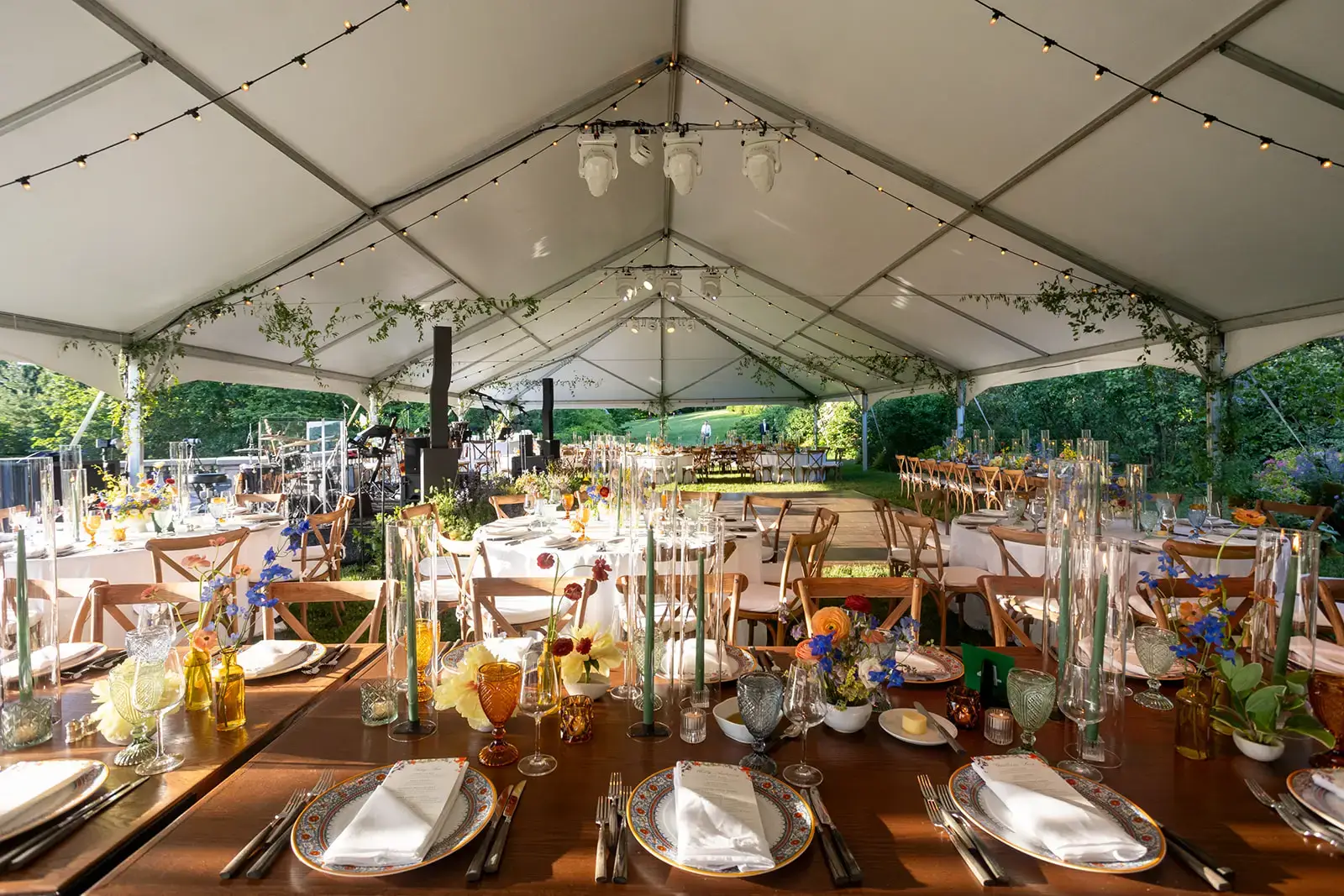
Selecting the correct outdoor framework is the first step toward building a reliable, semi-permanent dining space. Standard consumer-grade pop-up shelters fail under commercial use. Commercial venues require robust, wind-rated structures designed for continuous public occupation. For a high-end, visually striking aesthetic, many coastal Connecticut operators opt for a classic sailcloth look. Alternatively, a Losberger tent rental provides the robust engineering required for true multi-season survival.
Clearspan structures utilize a heavy-duty aluminum box beam frame with no interior center poles. This architectural style allows your staff to navigate tables without structural obstructions. The fabric slides through tracks in the aluminum, creating an airtight seal that repels rain and wind. Frame tents offer similar interior flexibility and work exceptionally well on tight patios or parking lots. Clear top tents use transparent vinyl covers to create a dramatic night sky experience, though they require careful thermal planning during summer daylight hours.
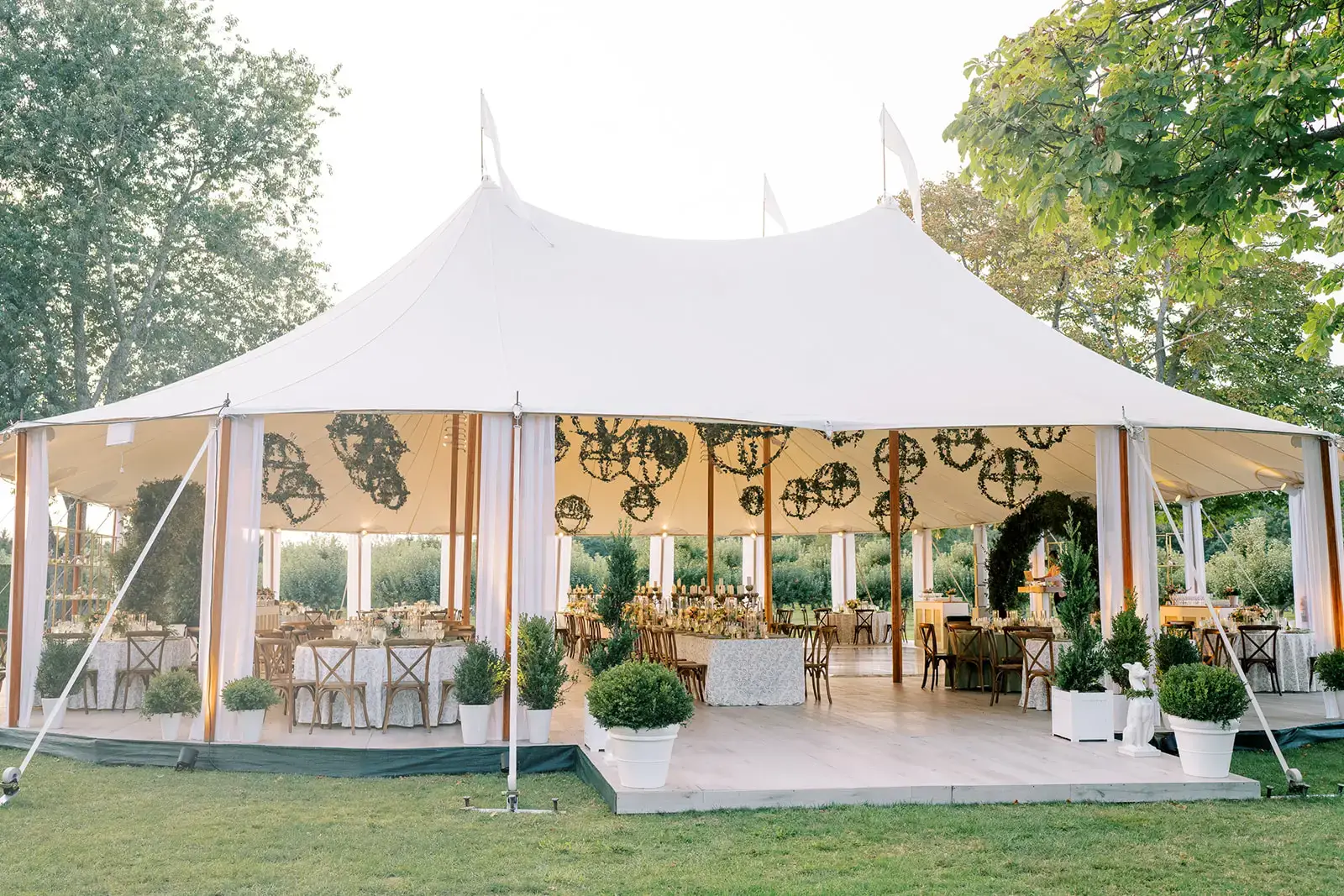
Pole tents offer a classic aesthetic with high peaks, but they require ground staking and contain interior poles. For restaurants with sprawling garden lawns, pole tents provide an elegant atmosphere. However, they are less practical for paved urban areas. Understanding these physical limitations helps you make an informed decision for your venue’s footprint.
Structural Foundations of a Commercial Restaurant Tent
Building a temporary dining room demands the same structural integrity as a permanent brick-and-mortar building. A high-quality restaurant tent must withstand local wind forces, heavy rainfall, and potential snow loads. In Connecticut, coastal winds require structures engineered to resist gusts of up to 90 miles per hour. Standard frame tents rely on high-strength anodized aluminum or galvanized steel tubing to prevent structural twisting under load.
Proper anchoring remains the single most critical safety factor for any outdoor dining installation. Staking directly into the ground provides excellent holding power on grass or gravel lawns. However, urban sidewalks and paved parking lots require engineered concrete ballasting. Professional installation teams use heavy, certified concrete blocks clad in custom vinyl covers to match your branding. This approach ensures structural safety without damaging your property’s valuable asphalt or stonework.
Fabric quality also plays a pivotal role in occupant safety and comfort. Commercial tents utilize heavy-duty, flame-retardant PVC-coated polyester. This material resists UV rays, mildew, and heavy water accumulation. Selecting a fabric with blockout properties prevents the interior from overheating during intense summer heat, keeping cooling costs manageable.
Financial and Revenue Impacts of Outdoor Dining Tents
Investing in a commercial tent system is a strategic play to expand a restaurant’s physical footprint and increase seating capacity. According to a comprehensive industry report by the National Restaurant Association, restaurants that added functional outdoor spaces during shoulder seasons experienced an average revenue increase of 30 percent. By turning an unused patio or parking lot into a year-round dining room, operators offset the high cost of fixed indoor real estate.
To understand the exact financial return, consider a typical 40-foot by 60-foot frame tent. This size accommodates approximately 100 to 120 seated guests. At an average guest check of $45 and a modest two seating turns per weekend night, that space generates thousands in additional weekly gross revenue. Research published by the Cornell Center for Hospitality Research demonstrates that consumers show a strong preference for unique outdoor experiences, often leading to longer dwell times and higher beverage sales. A commercial-grade tent pays for its initial leasing or rental cost within the first few weeks of peak seasonal operation.
Furthermore, these structures protect your business from weather-related cancellations. A sudden rainstorm can ruin a fully booked weekend patio. An engineered shelter ensures that your reservation book remains completely filled, regardless of the local forecast. This predictable revenue stream is invaluable for managing labor and food costs efficiently.
Comparative Analysis of Commercial Dining Structures
The table below outlines the primary structural options available for commercial outdoor dining. Each style offers distinct advantages depending on your specific location, operational season, and target brand aesthetic.
| Structure Type | Optimal Operating Season | Average Commercial Price Range | Primary Operational Advantage |
|---|---|---|---|
| Clearspan Aluminum Structure | Year-Round (All Seasons) | $15,000 – $80,000+ (Purchase) | Engineered wind resistance, no center poles, airtight seal. |
| Clear Top Frame Tent | Spring, Fall, and Evenings | $8,000 – $40,000+ (Purchase) | Exceptional aesthetic appeal and natural light integration. |
| Sperry Sailcloth Tent | Late Spring to Early Autumn | Premium Rental Service Only | Handcrafted wooden poles, elegant silhouette, high-end branding. |
| Traditional Pole Tent | Late Spring to Early Autumn | $5,000 – $25,000+ (Purchase) | Cost-effective coverage for expansive lawns and gardens. |
Engineering Safety, Local Permits, and Ballasting Logistics
Navigating the municipal landscape is essential before erecting any commercial structure. City building departments in Bridgeport, Fairfield, and Darien classify semi-permanent tents over a certain square footage as temporary structures. This designation requires formal building permits, structural engineering reviews, and fire marshal approvals. Failing to secure these permits before your installation can result in costly fines or forced closures during your busiest weekend.
An experienced installer will handle the necessary structural documentation, including flame-spread certification for all tent vinyl. Safe installation also requires strict adherence to emergency egress regulations. Your tent must feature clearly marked exit signs, emergency lighting, and fire extinguishers placed at regulated intervals. Additionally, the IBISWorld commercial property safety indexes emphasize that professional ballasting must be calculated based on the specific surface tension and wind-load requirements of your exact regional zone.
Avoid the common DIY mistake of using sandbags or water barrels for commercial anchoring. Water barrels are notoriously unstable because they can leak, and they rarely provide the sheer physical weight required to resist high wind sheer. Certified concrete weights, engineered steel plates, or heavy-duty ground anchors are the only reliable options for securing a public-use dining space.
Climate Control Systems for Year-Round Dining Comfort
Maintaining an optimal interior climate is critical to converting a simple outdoor shelter into an inviting dining oasis. During colder months, implementing a professional heating strategy ensures your guests remain comfortable. Standard electric space heaters are often insufficient for large, uninsulated spaces. Instead, professional operators utilize indirect-fired propane heaters. These units sit safely outside the tent, forcing clean, dry, warm air inside through ductwork while exhausting combustion byproducts safely into the atmosphere.
To maintain this warm environment, you must pair your heating system with insulated, heavy-duty vinyl sidewalls. Ensure the sidewalls feature a secure lace or track system to eliminate cold drafts at ground level. During transition months, you may also require high-capacity, portable air conditioning systems. Selecting premium heated tent rental options allows you to keep your reservation books full, even when the Connecticut winter temperature drops below freezing.
Proper ventilation is equally important during the summer heat. Retractable sidewalls or integrated commercial exhaust fans help exhaust hot air and keep fresh air circulating. By actively managing air exchange, you prevent the stale, humid atmosphere that often plagues poorly planned outdoor structures.
Designing the Interior: Flooring, Lighting, and Table Layouts
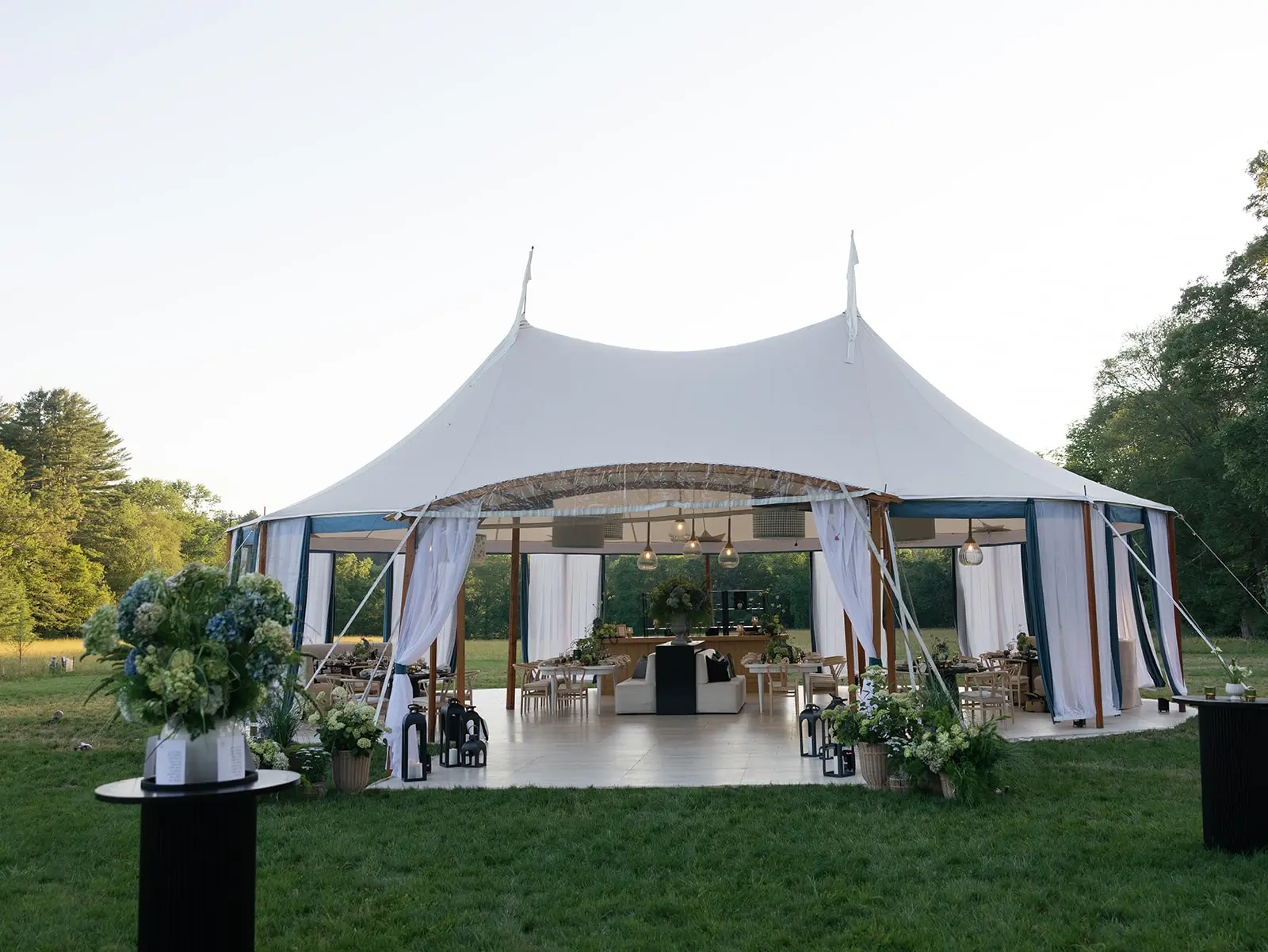
Creating a premium dining experience requires paying close attention to the floor beneath your guests’ feet. Planners must avoid placing tables directly on cold, uneven asphalt, grass, or gravel. Utilizing professional subflooring systems creates a flat, dry, and insulated surface. An uneven floor causes wobbly tables and presents a serious tripping hazard for busy waitstaff carrying trays.
- Begin with a level subfloor: Install a raised wooden or composite floor system to isolate the dining room from moisture and ground temperature.
- Coordinate functional zoning: Separate the service entry, food prep holding stations, and guest dining tables to optimize foot traffic.
- Establish elegant, indirect lighting: Use a combination of dimmable festoon lighting, brass chandeliers, and LED uplighting to create a warm, welcoming glow.
- Incorporate sound-dampening elements: Vinyl walls can reflect sound waves, so use tablecloths, plants, and soft decor to manage interior acoustics.
- Secure the perimeter: Install heavy-duty clear window sidewalls to allow natural views while sealing out drafts.
The layout must prioritize service efficiency alongside guest capacity. Designers recommend leaving at least three to four feet of clearance between parallel tables to give servers ample room to pass. Integrating design details like custom wood paneling, luxury carpeting, and potted greenery transforms the interior from a temporary shelter into an upscale, seamless extension of your main dining room.
Operational Best Practices and Avoiding Common Mistakes
One of the most common mistakes restaurant owners make is underestimating the space required for guest comfort and staff movement. While a wedding layout might cram tables together, a functional restaurant requires wide aisles for hot food service. Plan for a minimum of 15 to 20 square feet per guest. This ensures your service staff can easily maneuver around high-back chairs and tray stands without disturbing neighboring diners.
Another frequent oversight is neglecting the entryway experience. If guests must walk directly from a cold outdoor breeze into the tent, the tables nearest the entrance will remain cold and undesirable. Create a baffled entry vestibule or utilize double-door glass entryways. This layout traps cold air at the door, keeping the main dining pavilion warm, consistent, and profitable.
Finally, assign a dedicated staff member to manage the climate control and physical maintenance of the tent structure daily. Checking the tension of the ropes or frame pins, clearing debris from the roof, and monitoring propane fuel levels prevents operational disruptions. Proactive maintenance preserves the longevity of your rental or purchased assets and guarantees a safe environment for your clientele.
FAQ
What type of dining tent is best for asphalt surfaces?
Clearspan structures and frame tents are ideal for asphalt because they do not require center poles and can be safely anchored using a professional concrete ballast system. This eliminates the need to drill stakes directly into your paving.
How do you keep an outdoor dining tent warm during winter?
Use indirect-fired propane heaters situated outside the tent, channeling clean, heated air through specialized ductwork, combined with insulated sidewalls to seal in the warmth. This setup ensures an odorless, safe, and warm environment for guests.
Do I need a building permit for an outdoor dining tent?
Yes, most municipal departments in Connecticut require a temporary structure permit, fire marshal review, and flame-resistance certifications for commercial tents. Working with a professional installation firm ensures all documentation is properly filed.
How many guests can comfortably fit inside a 20 by 40 tent?
A 20×40 tent comfortably accommodates approximately 40 to 50 guests for a seated, restaurant-style dinner layout with service aisles. For casual standing receptions, the capacity can increase to 60 or 70 people.
Are clear top tents suitable for hot summer days?
Clear top tents are not recommended for direct midday summer sun as they create a greenhouse effect, but they are spectacular for evening dining or cooler seasons. If used in summer, they require significant shade coverage or high-output air conditioning systems.
Can you install flooring over an uneven patio or lawn?
Yes, professional leveling systems and pool truss flooring can turn sloped lawns or uneven stone patios into perfectly flat, stable dining surfaces. This flooring acts as a critical foundation for upscale tables and chairs.