For modern enterprises executing high-stakes brand activations, client galas, or milestone celebrations, choosing the right temporary infrastructure is critical. For large-scale corporate hospitality, multi-day conferences, and product launches requiring climate control and heavy AV rigging, you should choose an engineered clearspan structure. For exclusive executive retreats, high-end fundraisers, and VIP golf tournaments, a premium sailcloth tent offers an unmatched aesthetic of relaxed sophistication. This strategic framework ensures your physical venue matches your corporate branding. This guide delivers the precise tactical roadmap you need to navigate wind-load ratings, customized branding, site preparation, and seasonal HVAC engineering in the Northeast’s competitive business landscape. Whether you are hosting in Greenwich, CT, or Manhattan, NY, executing a flawless corporate installation requires meticulous planning from the ground up.
Key Takeaways
- Clearspan structures offer unmatched rigging capabilities for heavy AV, lighting, and custom LED video walls.
- Sailcloth tents provide an organic, premium aesthetic ideal for luxury hospitality, galas, and VIP networking events.
- Comprehensive site surveys and professional leveling are non-negotiable for stable flooring on uneven terrain.
- HVAC systems must be mathematically calculated based on ambient temperature, tent type, and guest density.
- Obtaining local building permits and following fire safety codes requires a minimum lead time of 30 to 60 days.
The Strategic Value of Outdoor Corporate Venues
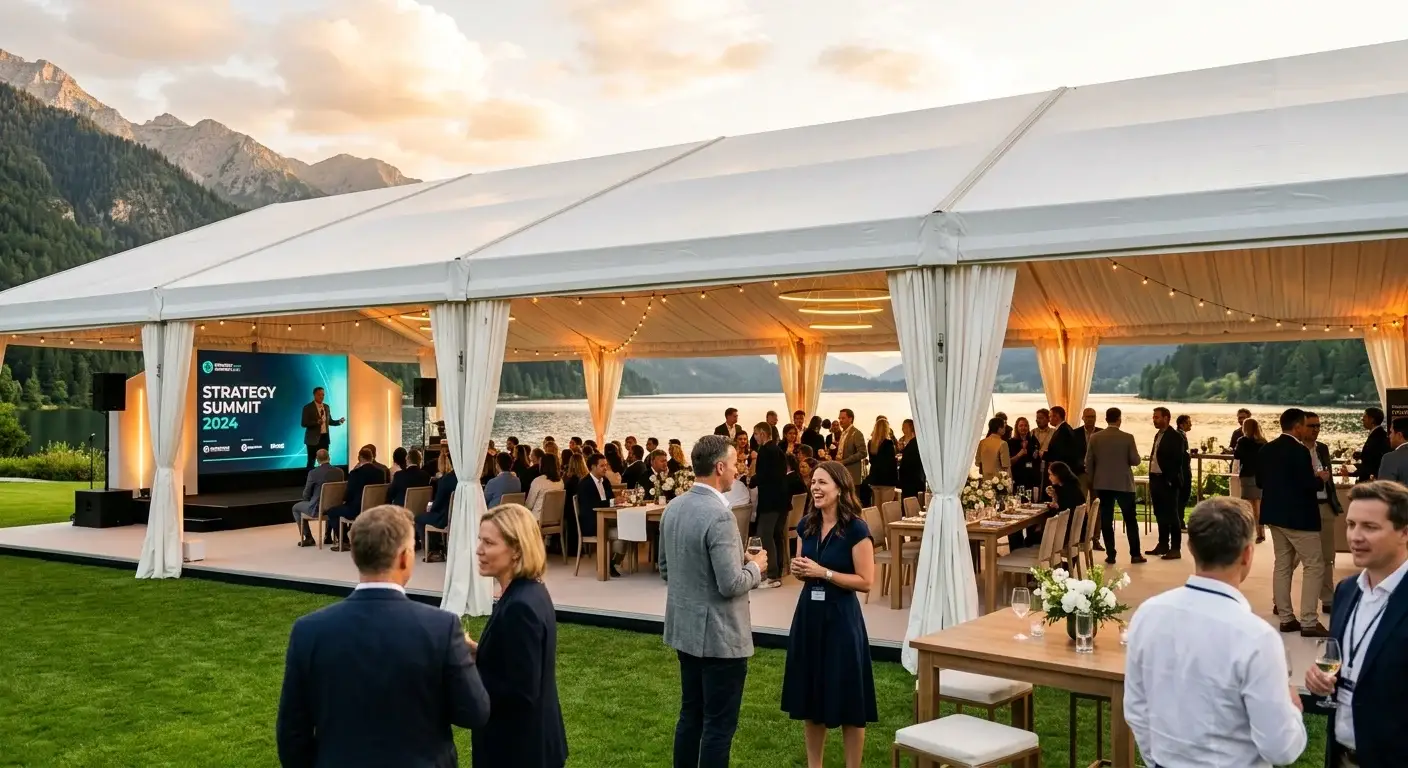
Modern enterprises are moving away from traditional indoor ballrooms to create unique, memorable brand experiences. Utilizing an outdoor environment allows corporations to craft a fully customized space that is unconstrained by the architectural limits of static indoor venues. Whether staging a product launch, an annual shareholder meeting, or a premium client appreciation dinner, a temporary structure serves as a physical representation of your brand’s innovation and attention to detail. This physical freedom allows your marketing and production teams to design immersive, 360-degree brand experiences that drive engagement and improve message retention.
Beyond aesthetics, outdoor settings offer unique psychological benefits for attendees. Peer-reviewed research from the American Society of Landscape Architects demonstrates that integrating natural environments into corporate gatherings reduces cognitive fatigue, enhances creative thinking, and increases networking engagement by up to 30%. By positioning your corporate event in a scenic outdoor setting, you establish an environment of wellness and prestige. This strategic shift is particularly effective for high-value client summits, where building trust and fostering open communication are the primary goals.
However, transition to the outdoors introduces variables that require professional management. Weather patterns, power grids, acoustic feedback, and ground stability must all be addressed to protect your brand’s reputation. Partnering with an experienced rental provider ensures these technical factors are managed safely behind the scenes, allowing your executive team to focus on delivering their message.
Selecting the Best Corporate Event Tents: Structure Comparison
Choosing the right structure is the most critical decision when planning an outdoor corporate event. The chosen tent architecture dictates the interior layout, rigging capacity, weather resistance, and overall guest experience. For high-capacity corporate events, engineering and reliability are key factors. You must select a framework that matches your production needs and stands up to local wind and weather requirements.
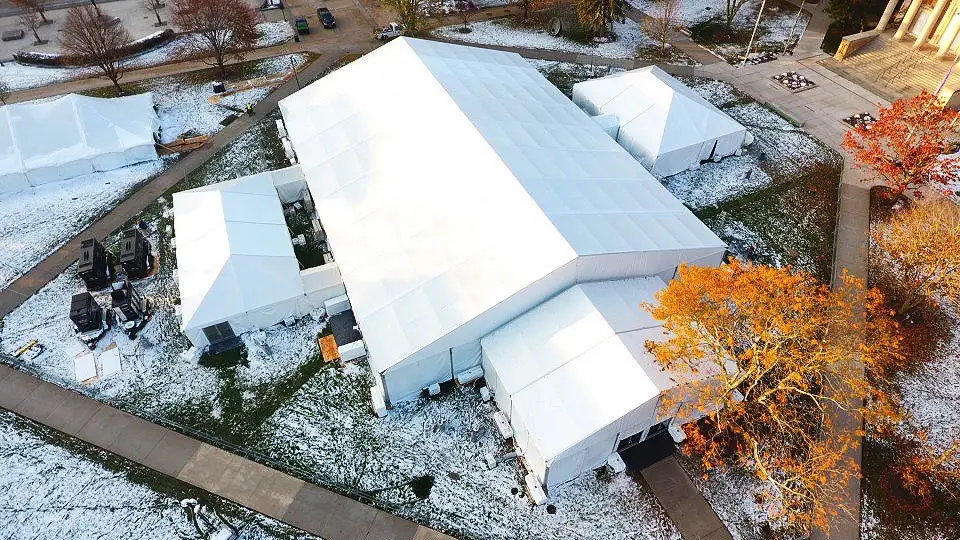
To make an informed decision, corporate planners must weigh the distinct benefits of clearspan engineered structures versus the elegance of canvas or sailcloth. If your production features heavy lighting rigs, large projection screens, or expansive suspended audio arrays, Losberger clearspan structures are the industry standard. These structures feature an extruded aluminum frame with no interior center poles, providing unobstructed sightlines for all attendees. Additionally, their high-tensile fabric panels slide into channels within the frame, making them incredibly wind-resistant and weather-tight.
For high-end networking events, executive dinners, or non-profit galas, the organic aesthetic of a sailcloth tent is often preferred. These hand-crafted tents feature sculpted wooden center poles and translucent sailcloth fabric that glows under evening lighting. When evaluating options, look into the benefits of clear span tents to see how they contrast with traditional pole tents. Understanding these engineering differences helps ensure your venue is both safe and visually stunning.
| Structure Type | Best Use Case | Key Advantages | Wind-Load Rating |
|---|---|---|---|
| Losberger Clearspan | Large-scale conferences, heavy AV production, multi-day winter summits | Zero center poles, maximum rigging capacity, superior climate control isolation | Up to 70–90+ mph (engineered) |
| Sperry Sailcloth | VIP dinners, luxury brand activations, high-end corporate retreats | Organic aesthetic, warm wood poles, luminous natural lighting transmission | Up to 50–60 mph |
| Clear Top Frame | Evening galas, spring/fall networking, brand immersion events | Dramatic “under-the-stars” atmosphere, flexible footprint on hard surfaces | Up to 50–60 mph |
| Traditional Pole | Casual corporate picnics, large-scale community appreciation events | Cost-effective coverage for high-volume crowds on grass surfaces | Up to 40–50 mph |
Essential Infrastructure for High-Impact Corporate Gatherings
An outdoor corporate event requires the same robust utility systems as a permanent commercial venue. High-stakes presentations, product demonstrations, and live broadcasts require reliable, uninterrupted power and climate control. A single power outage or an uncomfortable temperature shift can disrupt an executive speech and impact the success of the entire event. Therefore, integrating commercial-grade infrastructure into your site plan is essential.
First, professional power distribution is the foundation of any successful event. Standard domestic power is insufficient for commercial catering, audio systems, and high-intensity event lighting. To avoid failures, event planners should secure towable, whisper-quiet diesel generators with redundant backup units. These generators run through distribution panels and rubber cable ramps to protect guests. This setup ensures that your catering kitchens, main stage audio, and heating or cooling systems run on independent, isolated circuits to prevent overloaded breakers.
Second, maintaining a comfortable interior climate is critical for guest comfort. In summer, clear top tents act like greenhouses, requiring high-tonnage industrial air conditioning units to keep attendees comfortable. Conversely, winter events require clean, indirect-fired heaters placed outside the tent, which channel warm air through ductwork hidden beneath the flooring. As a general rule, plan for approximately one ton of cooling capacity per 100 to 150 square feet of clear-top tenting during warm weather. This calculation helps ensure your guests remain comfortable throughout the day.
Finally, a level subfloor is essential for professional styling and structural safety. Laying carpet or turf directly on uneven ground can create tripping hazards and make furniture unstable. Laying down a leveled, raised floor system creates a flat, dry platform that protects guests from damp ground and mud. This platform can then be finished with premium hardwood, commercial carpeting, or customized branding graphics, providing a polished look that elevates the entire experience.
Crucial Logistical Planning and Permit Checklists
Securing municipal approvals and structural safety certifications is a critical first step in physical site planning. Every town and city across Connecticut and New York enforces distinct zoning laws, wind-load requirements, and fire safety codes that must be followed. Failing to secure these permits early in the planning process can lead to costly delays, fines, or even the cancellation of your event by local authorities.
- Conduct a Comprehensive Site Survey: Before booking equipment, hire a professional team to assess your venue. This survey identifies underground utility lines, overhead clearance issues, soil density, and grading variations that could affect tent installation. Always contact local utility services, such as Call 811, before driving stakes into the ground.
- Acquire Municipal Permits Early: Submit your structural, electrical, and flame-resistance certificates to the local building and fire departments at least 45 to 60 days before installation. Most jurisdictions require engineered drawings of the tent, showing detailed seating plans and clear exit routes.
- Develop a Weather Contingency Plan: Create a clear action plan that outlines specific wind speeds or weather conditions that would trigger an evacuation. Ensure your onsite team is trained on these protocols and has access to real-time weather monitoring tools.
- Verify Insurance and Liability Coverage: Confirm that your tent rental provider holds comprehensive general liability insurance, workers’ compensation, and structural warranties. This coverage protects your organization from liability in the event of unforeseen damage or structural issues.
- Establish a Logical Load-In Schedule: Coordinate with your rental provider, AV team, and caterers to schedule installation phases. Ensure the main tent structure and subflooring are fully installed before allowing production teams to bring in heavy equipment or delicate decor.
Designing Branded Environments Under Canvas
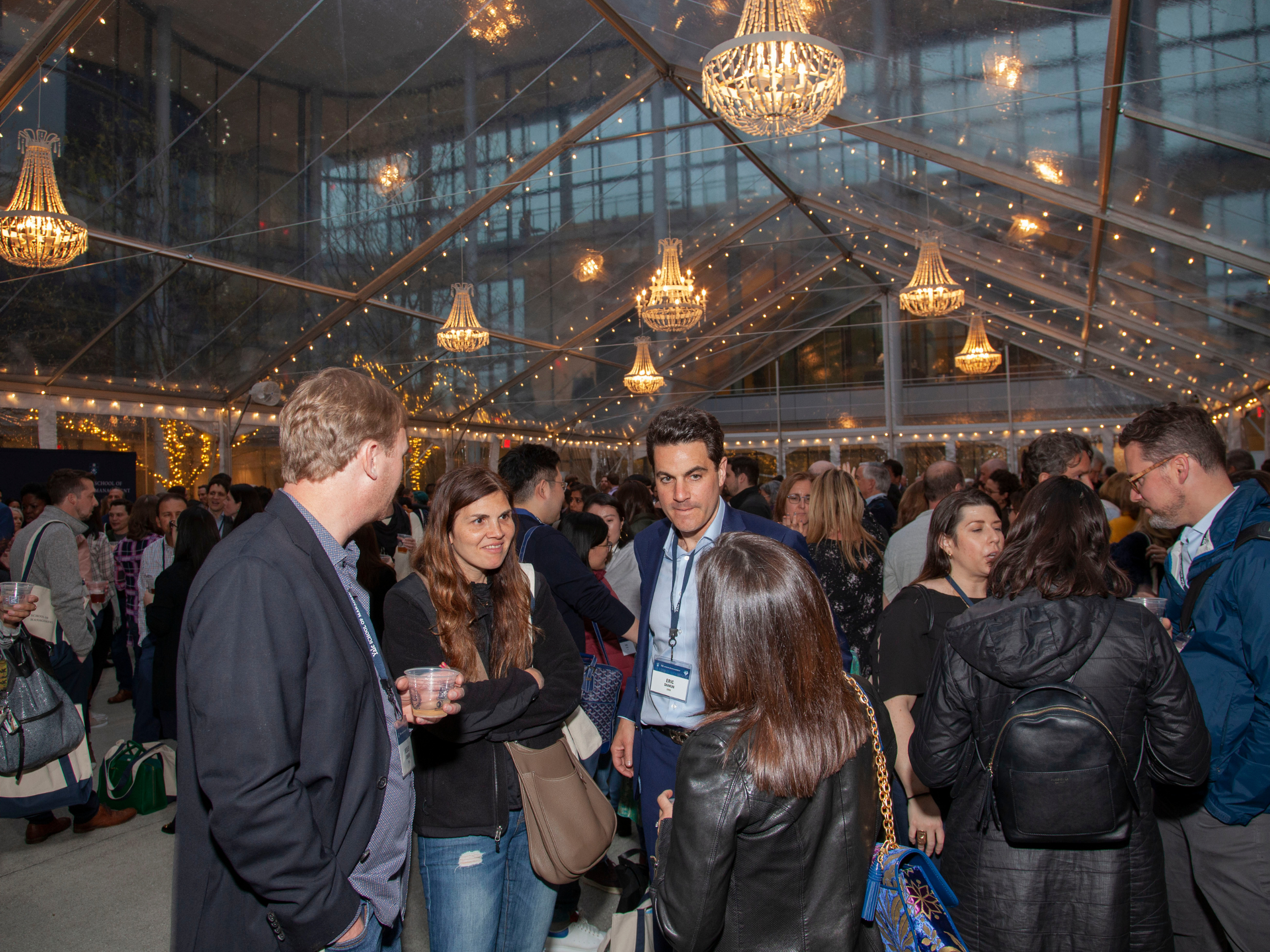
A corporate tent should serve as a seamless extension of your company’s visual identity. The interior design of your tented space presents a valuable opportunity to reinforce your messaging and engage your target audience. From custom entryway arches to bespoke furniture layouts, every design choice should align with your brand’s style guide and the primary goals of the event.
To maximize brand visibility, consider wrapping structural support columns in custom-printed vinyl graphics, or using the fabric walls of a clearspan structure as a canvas for high-definition projection mapping. This technique allows you to project dynamic brand imagery, video content, and real-time social feeds directly onto the tent’s ceiling and walls. For daytime events, translucent fabric tops diffuse natural sunlight beautifully, reducing glare on presentations and creating an inviting environment for photography and filming.
Acoustics also play a key role in the guest experience, particularly during keynote speeches and panel discussions. Large, unlined vinyl tents can sometimes create an echo, which can make speeches difficult to hear. To address this, incorporate soft elements like fabric wall liners, carpeted floors, and acoustic ceiling drapes. These additions absorb sound waves and improve audio clarity, ensuring your message is heard clearly by every attendee.
FAQ
How much does a tented corporate event rental cost?
The cost of a premium tented corporate event typically ranges from $15,000 to upwards of $150,000 in 2026. The final price depends on the size of the tent, flooring choices, climate control needs, power requirements, and the complexity of the site setup. Comprehensive, full-service packages that include leveled flooring, premium AV rigging, and climate control represent the higher end of this range.
Which tent type is best for corporate events with heavy AV setups?
Engineered clearspan structures, such as Losberger Clearspan systems, are the best choice for events with extensive AV and lighting requirements. Their robust aluminum frames can support heavy overhead rigs, LED walls, and audio arrays. Additionally, their lack of interior center poles provides clear, unobstructed sightlines for presentations and keynotes.
Do corporate event tents require municipal building permits?
Yes, almost all temporary structures over a certain size require building, zoning, and fire safety permits from local municipalities. The specific size threshold varies by town, but typically any tent larger than 400 square feet requires formal review. It is best to begin the permitting process at least 45 to 60 days before your installation date.
How do you heat or cool a corporate tent in extreme weather?
Tents are heated using commercial, indirect-fired heaters located outside the tent, which deliver warm air through clean ductwork. For cooling, high-capacity industrial air conditioning units are used with specialized ducting to distribute cool air evenly. Both systems require a dedicated power source, such as towable generators, to operate reliably.
Can you install a corporate tent on asphalt or concrete surfaces?
Yes, frame and clearspan tents can be installed on hard surfaces like concrete, asphalt, or stone. Instead of traditional ground stakes, installers secure these structures using heavy concrete ballast weights to meet local wind-load requirements. A professional site survey will determine the exact weight needed to anchor the tent safely.
How much lead time is required to plan and install a large corporate tent?
For large-scale or highly customized corporate installations, planning should begin 4 to 6 months in advance. This timeline allows ample time for site inspections, custom branding production, municipal permitting, and logistical coordination. The physical installation itself can take anywhere from 1 to 5 days, depending on the size of the structure and the level of interior finishing required.