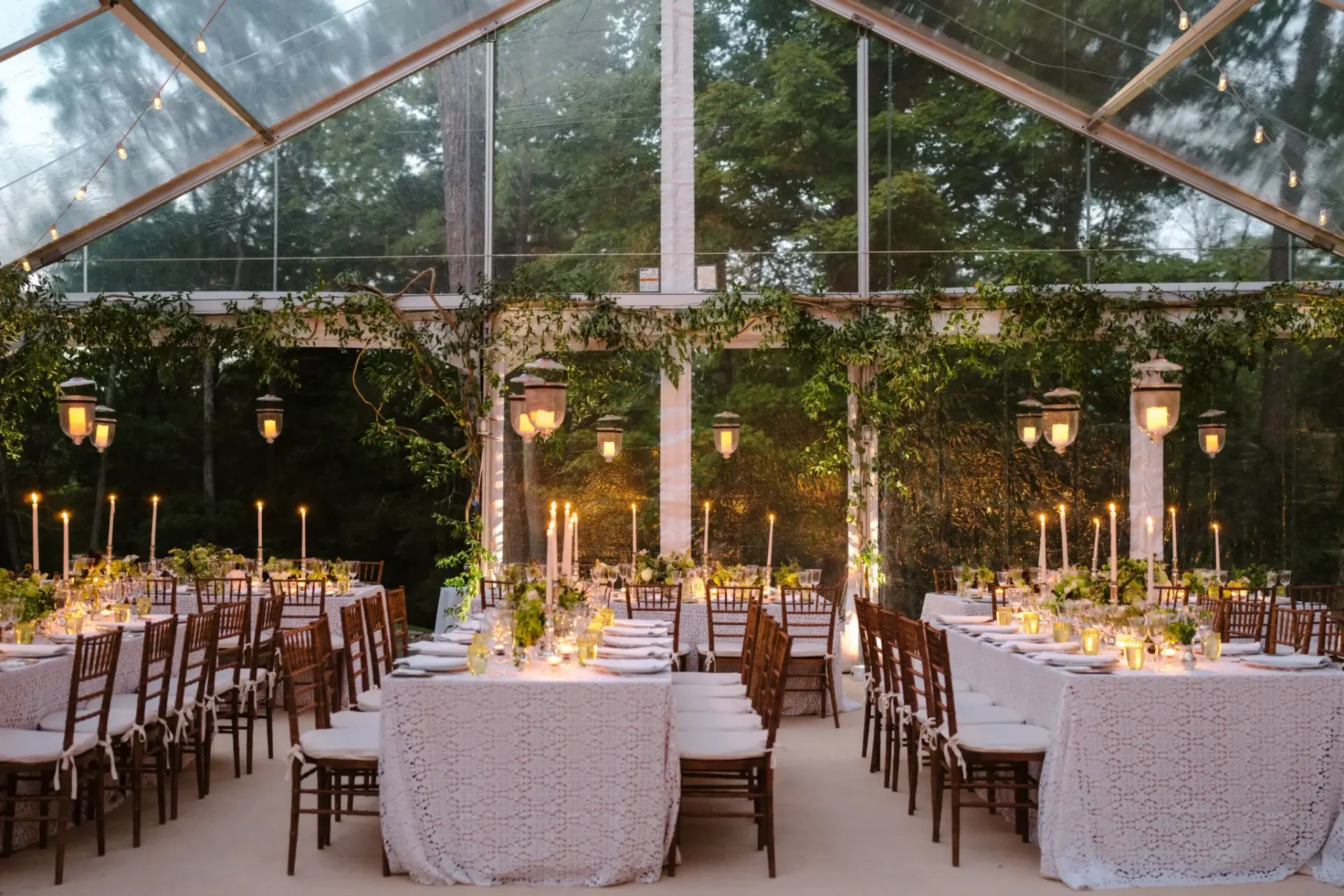
For hosts planning high-stakes corporate galas, expansive weddings, or long-term seasonal exhibitions in 2026, choosing a clear span tent structure is the ultimate solution for structural safety, layout flexibility, and aesthetic control. Unlike traditional pole tents that rely on central supports and exterior guy wires, clear span structures feature an open interior frame with no internal poles. This architectural design provides 100% usable floor space, making them the superior choice for high-capacity events requiring complex AV setups, heavy staging, or unobstructed sightlines. In contrast, standard pole tents should only be selected when budget is the primary constraint and internal obstructions do not impact the event flow. By investing in an engineered clear span structure, event planners gain a blank canvas that can be safely erected on any surface—from concrete plazas to delicate lawns—while withstanding severe coastal wind loads. Below is a comprehensive analysis of how these state-of-the-art clearspan structures elevate temporary event design to permanent structural standards.
Key Takeaways
- Zero Interior Obstructions: Eliminating center poles maximizes usable square footage and ensures completely uninterrupted sightlines for all guests.
- Superior Weather Engineering: Heavy-duty aluminum frames are engineered to withstand winds up to 60–90 mph, providing safety far beyond traditional fabric tents.
- Unmatched Site Adaptability: Clear span structures can be anchored via heavy ballast weights or stakes, allowing installation on concrete, asphalt, grass, or over existing pools.
- Heavy Production Support: The robust overhead frame acts as a reliable rigging grid, supporting heavy lighting rigs, line-array sound systems, and complex HVAC ducting.
- High ROI for Large Events: While requiring a higher initial investment, the elimination of perimeter guy wires and interior poles maximizes the efficiency of the available venue footprint.
What is an Engineered Clear Span Fabric Structure?
An engineered clear span structure is a modern temporary building system that relies on a rigid exterior skeleton to support its fabric roof. Manufactured from high-grade extruded aluminum box beams and connected with structural steel joints, these systems require no center support poles or exterior guy ropes to remain standing. The PVC-coated polyester fabric panels are fed through engineered channels (keder tracks) within the aluminum rafters, creating a highly tensioned, drum-tight skin that is completely weather-tight.
When selecting a premium event space, premium options like Losberger clearspan structures represent the pinnacle of German engineering in the temporary structure market. These systems utilize portal frame designs that distribute weight outwards to heavy baseplates anchored directly into the ground or held fast by industrial concrete ballast. Renting a premium engineered clear span structure generally ranges from $2.50 to $6.00 per square foot, depending on the span width, height clearances, and level of customization required. This structural efficiency ensures that the tent can remain erected for days, weeks, or even months at a time without requiring constant retensioning or maintenance.
Maximizing Space with Unobstructed Interior Layouts
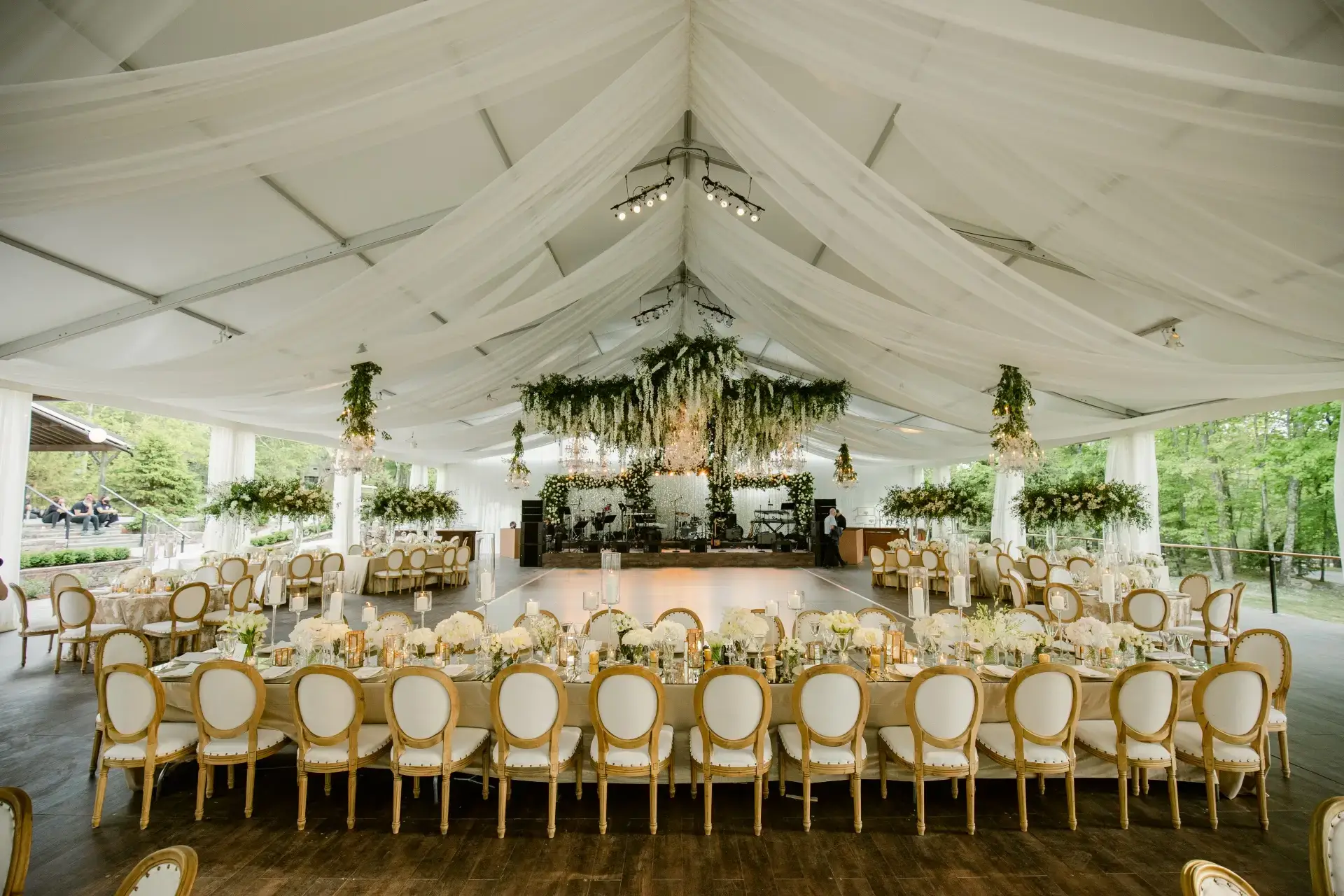
The primary spatial benefit of a clear span structure is the complete absence of interior support poles. In traditional pole tents, massive wooden or metal uprights must be placed every 15 to 20 feet down the center of the tent to keep the roof aloft. These poles create visual barriers for guests, disrupt seating arrangements, and limit where you can construct stages or dance floors.
By removing these vertical columns, clear span tents provide a completely open floor plan. Designers can position the stage, dance floor, bars, and catering stations exactly where they make the most sense for guest flow. Unobstructed sightlines mean every seat in the house is a great seat, which is critically important for keynotes, wedding toasts, and theatrical performances. Furthermore, the vertical sidewalls of a clear span structure sit at a true 90-degree angle, unlike the sloping walls of a tension tent. This maximizes the volume of the space, allowing for high-impact vertical decor, tall floral installations, and towering AV screens right up to the edge of the tent perimeter.
Unrivaled Durability and All-Weather Event Performance
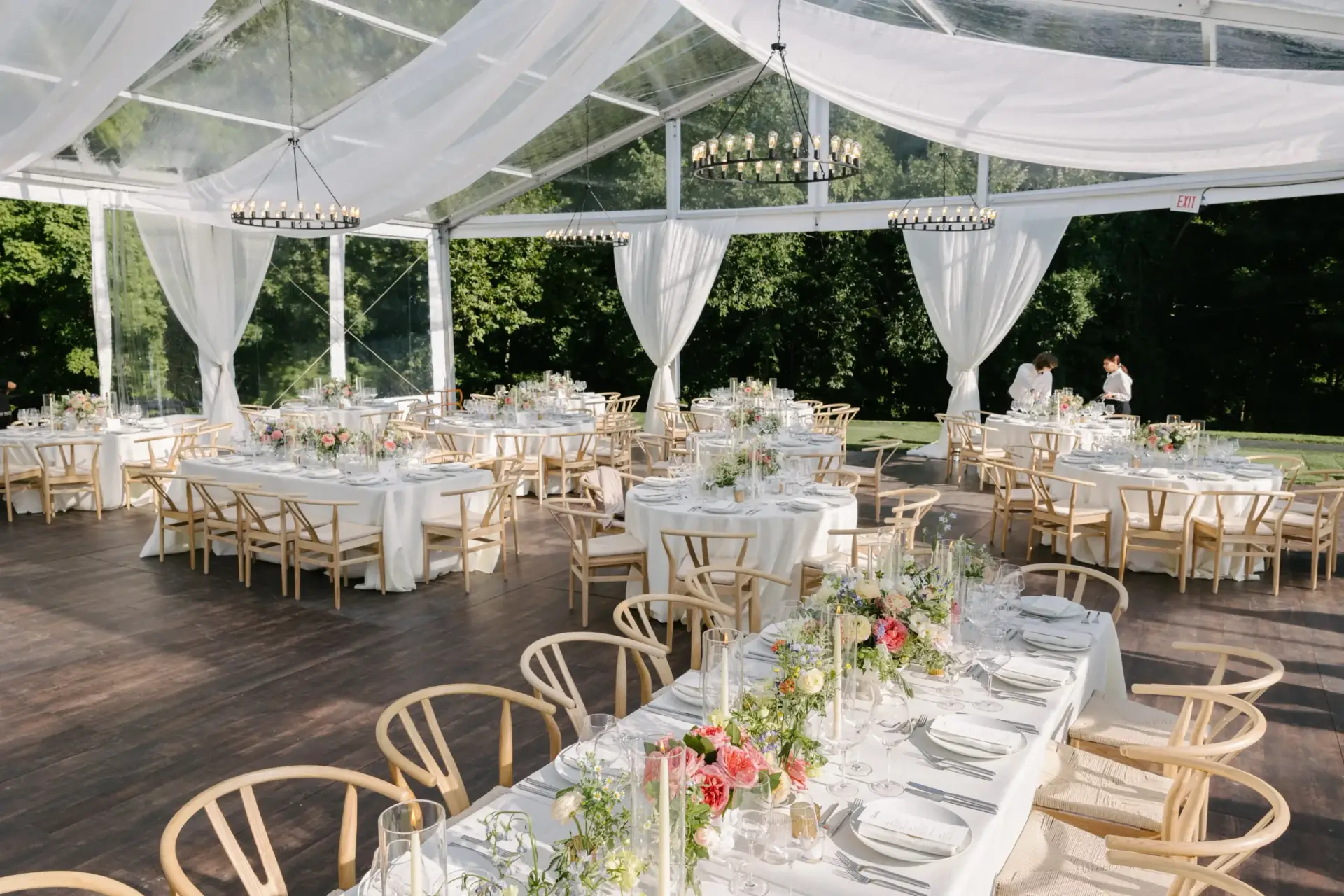
Weather is the single greatest risk factor for any outdoor gathering, making structural durability a non-negotiable priority for professional event planners. According to structural guidelines published by the Federal Emergency Management Agency, temporary public assembly structures must comply with stringent localized regional wind load requirements. Engineered clear span tents are designed to meet these exact standards, boasting certified wind ratings that typically handle sustained winds of up to 60 mph and three-second gusts up to 90 mph.
Traditional tension tents rely on fabric tension and guy ropes to stay standing, making them highly susceptible to flapping, lifting, and pooling water during heavy downpours. In contrast, the rigid frame of a clear span structure prevents the fabric from moving. The keder tracks lock the fabric panels in place, eliminating flapping noises even in high winds. The roof fabric is tensioned horizontally and vertically, ensuring that heavy rainwater drains off rapidly without forming dangerous water pockets. For cooler spring or late autumn events, the solid framing allows for the installation of insulated hard walls or glass window panels, creating a perfectly sealed environment that holds heat far more efficiently than loose fabric side flaps.
Versatile Anchoring: How to Erect Structures Anywhere
Traditional tents require stakes driven deep into the ground to maintain tension, restricting their use to grass fields or dirt lots. Clear span structures do not require tension to stand, meaning they can be erected on practically any surface. This opens up a vast array of unique venue possibilities, including historic cobblestone plazas, concrete parking lots, rooftop terraces, and asphalt runways.
When staking is not permitted or possible due to underground utilities, installers secure clear span tents using industrial concrete ballast blocks. Because the tent’s footprint is self-contained within the perimeter of the frame, there are no guy lines extending six to eight feet outward. This compact footprint allows the structure to fit tightly against existing permanent buildings, acts as a seamless extension of an indoor ballroom, or sits neatly on narrow backyard lawns. The structural framing can even span over complex obstacles like landscaping, small trees, and garden walls. If your venue features a backyard swimming pool, Greenwich Tent can design a customized pool truss system to serve as a level foundation, allowing the clear span tent to be built directly over the water to transform unusable yard space into an elegant, high-capacity dance floor.
Advanced Customization and Seamless Production Integration
The structural rigidity of a clear span aluminum frame makes it an incredibly versatile utility grid for lighting, sound, and climate control. Event production teams face significant challenges when trying to hang heavy equipment inside traditional tents, often requiring expensive, ground-supported truss towers that clutter the event space. With a clear span structure, the heavy-duty aluminum rafters can support substantial hanging loads directly from the frame.
According to event industry data compiled by the American Rental Association, modern high-end events increasingly demand heavy overhead production, with over 60% of premium events integrating complex overhead lighting, sound arrays, or suspended decor. Clear span structures allow designers to safely rig line-array speakers, heavy crystal chandeliers, and overhead floral installations directly to the structural beams. Additionally, these structures can be customized with various fabric options, including block-out white panels to shield guests from hot afternoon sun, or completely transparent clear-top panels that showcase starry night skies or historic architecture.
Cost-Benefit Analysis of Clear Span Tent Rentals
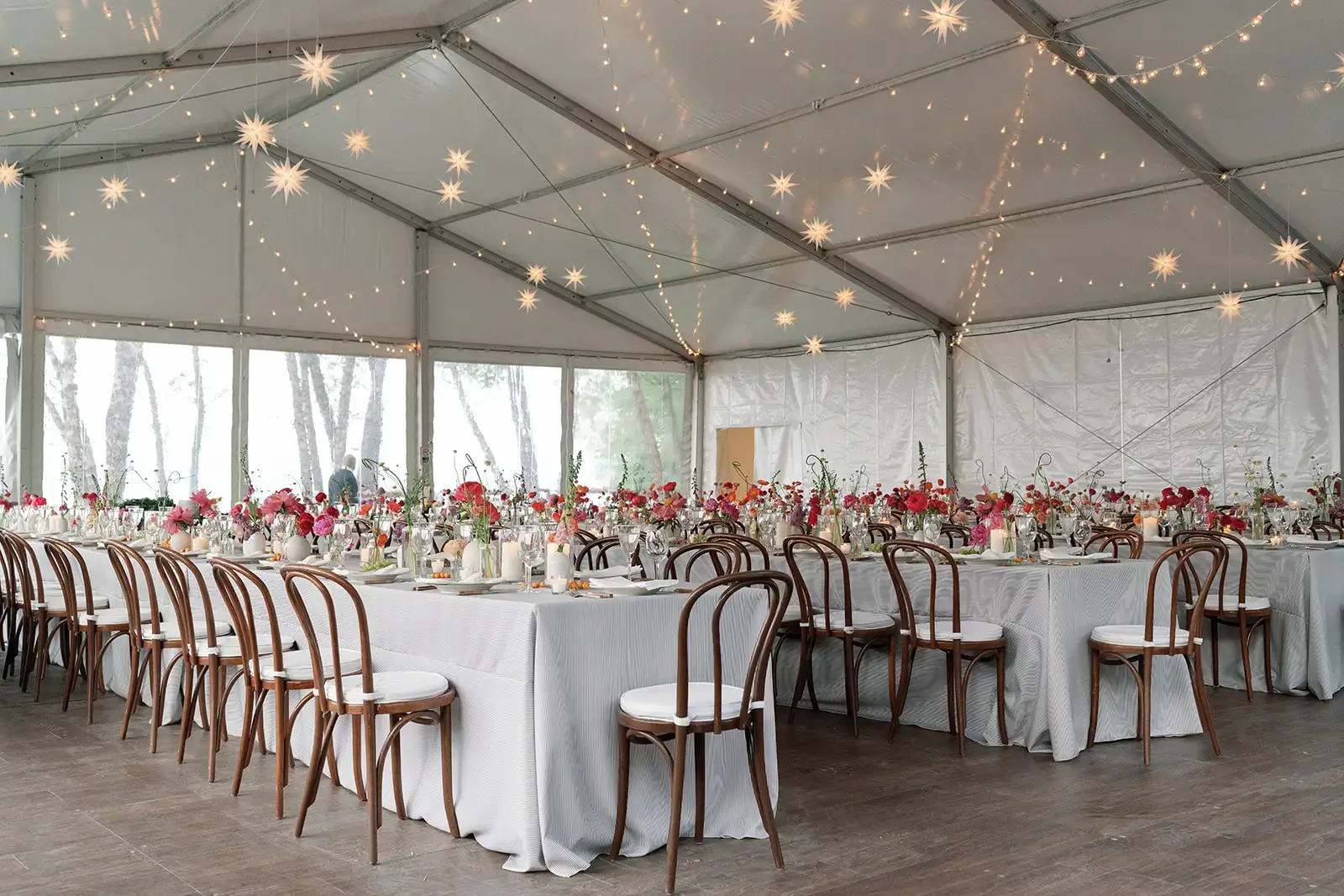
While the initial rental price of a clear span structure is higher than that of a standard pole or frame tent, a detailed cost-benefit analysis often reveals greater long-term value. The increased cost stems from the heavy machinery, specialized transport vehicles, and skilled labor required to safely assemble these engineered buildings. However, the financial advantages quickly offset the upfront premium when you consider the overall event production budget.
According to a market spacing analysis by the Specialty Fabrics Review, clear span structures increase usable internal square footage by up to 20% compared to traditional pole tents of the same footprint. This spatial efficiency means you can rent a smaller overall tent size to accommodate the same guest count, reducing the cost of flooring, carpet, and turf protection. Additionally, because production crews can rig lighting, audio, and decor directly to the aluminum rafters, you save thousands of dollars on ground-supported truss rentals and the labor required to set them up. Most importantly, the extreme weather rating acts as an insurance policy against rain, wind, and storm cancellations, ensuring your high-stakes corporate gala or once-in-a-lifetime wedding proceeds flawlessly regardless of the weather forecast.
Planning Your Clear Span Tent: Crucial Expert Guidelines
Executing a flawless clear span installation requires careful preparation, thorough site inspections, and close coordination with experienced professionals. To ensure a smooth installation process from delivery to teardown, planners should follow a structured, step-by-step preparation checklist.
- Verify Site Access for Heavy Machinery: Clear span components are exceptionally heavy and long. Delivery crews require flat, unobstructed access routes for flatbed trucks, forklifts, and telehandlers to transport the aluminum beams safely to the build site.
- Request a Detailed Utility Mark-Out: If anchoring the structure with stakes, call 811 or your local utility marking service at least one week prior to installation to locate underground gas, water, electric, and fiber optic lines.
- Obtain local Building and Fire Permits: Because clear span tents are classified as temporary structures, municipal building departments in areas like Greenwich, CT and Darien, CT require engineered structural drawings, flame-retardant fabric certificates, and formal site plans for approval.
- Account for Grade Changes and Slopes: If your venue site has more than a few inches of slope, plan for a leveled subfloor system to provide a flat, safe foundation for tables, chairs, and dancing.
- Schedule Ample Setup and Teardown Time: Due to the complexity and weight of the structural members, erecting a clear span tent takes significantly longer than standard frame tents. Allocate at least two to three days for setup and one to two days for dismantling.
One common mistake to avoid is failing to consult with the tent rental crew during the initial venue walkthrough. As highlighted in the advice our crew leaders wish every host knew, early collaboration prevents critical logistical errors, such as placing a tent directly under low-hanging overhead power lines or overactive irrigation sprinkler heads. An experienced crew leader will identify these obstacles immediately, ensuring that baseplates, concrete ballast blocks, and staging are positioned safely without delaying your event timeline.
FAQ
What is the difference between a clear span tent and a frame tent?
While both styles feature open interiors without center poles, clear span tents are highly engineered, heavy-duty structures designed for larger spaces, higher wind loads, and long-term installations. Standard frame tents use lighter, hollow aluminum tubing and are typically limited to smaller widths, making them less suitable for high-wind conditions or heavy production rigging.
How much wind can a clear span tent withstand?
Engineered clear span structures are built to meet strict structural building codes and can typically withstand sustained winds of up to 60 mph and short bursts of up to 90 mph. This structural rating is significantly higher than traditional pole or frame tents, which often require evacuation or emergency dismantling in winds exceeding 35 to 40 mph.
Can clear span tents be installed on asphalt or concrete without drilling?
Yes, clear span tents can be safely installed on concrete, asphalt, and other hard surfaces using heavy industrial concrete ballast blocks. This anchoring method eliminates the need to drill holes or drive stakes into the ground, making it the perfect choice for historic sites, public plazas, and parking lots where surface damage is strictly prohibited.
Are clear span tents suitable for winter events with snow?
Yes, clear span structures are highly suitable for winter events because their rigid aluminum frames can be engineered to handle specific snow load ratings. When paired with heavy-duty PVC fabric, solid insulated hard walls, glass entry doors, and professional-grade HVAC heating units, these tents maintain a warm, safe, and fully controlled environment even in freezing winter conditions.
How long does it take to install a clear span structure?
The installation timeline depends heavily on the overall size of the tent, site conditions, and production complexity, but most residential clear spans take between one and three days to complete. Larger corporate structures or those requiring extensive leveled flooring, custom lighting, and glass wall panels may require up to five days of dedicated installation time by a professional crew.
Which size clear span tent do I need for 150 guests?
For a seated banquet dinner with a dance floor, stage, and bars, you will generally need approximately 3,000 square feet of space, which translates to a 40′ x 75′ or 50′ x 60′ clear span structure. The exact dimensions will vary depending on your specific layout requirements, catering needs, and the style of seating you choose for your guests.